
A chef’s guide to choosing the right chocolate
Would it surprise you if I told you that for most of its 4,000-year history, chocolate wasn’t baked or eaten at all?
In ancient Mesoamerica, the Mayans and Aztecs revered xocolatl as a drink. It was thick, bitter, frothed, and spiced with chili or vanilla. It was a ceremonial source of energy, not a dessert. Think of it less like a milkshake and more like a spicy, invigorating kadha. When it crossed the ocean to Europe, it remained a drink for centuries, reserved for the aristocracy.
The chocolate bar you know today is a relatively modern invention, born of the Industrial Revolution. This history matters to us bakers. It explains why dark, milk, and white chocolate behave so differently today, and why swapping one for another often leads to a kitchen disaster.
As Ferran Adrià, the legendary chef behind elBulli (the Spanish restaurant that revolutionised modern gastronomy) often said: "Technique without understanding ingredients is just repetition."
To bake with intent, we must understand both the history and the chemistry inside the wrapper.
Understanding the anatomy of chocolate
To control the outcome of your dessert, you need to understand the source. Every chocolate comes from the cacao pod, giving us two core components:
- Cocoa solids: The history. These provide the flavour, including bitterness, depth, and that distinct chocolate character.
- Cocoa butter: The luxury. This provides the fat, the melt, richness, and mouthfeel.
- Sugar & milk solids: The modern modifiers. These soften the intensity and texture.
Dark, milk, and white chocolate are simply different balances of these elements. Once we understand that, their behaviour in the oven becomes predictable.
1. Dark chocolate: The ancient backbone
The history Until the mid-19th century, chocolate was gritty and primarily dissolved in water. It was not until 1847 that Joseph Fry discovered how to mix cocoa powder back with cocoa butter to create a paste that could be molded into a bar. This was the birth of eating chocolate.
The science Dark chocolate is a trinity of cocoa solids, cocoa butter, and sugar. Because it is high in solids, dark chocolate provides structure. It sets firmly as it cools and does not disappear when mixed with flour, eggs, and butter.
When to choose it Use dark chocolate when you need the chocolate to be the lead actor. Best for: Brownies, truffles, chocolate mousse, ganache, and intense sauces.
Innovative uses
- Pujol (Mexico City): Chef Enrique Olvera uses dark chocolate in his famous Mole Madre. In this sauce aged for over 1,000 days, chocolate adds a bitter, roasted depth rather than sweetness, functioning much like a rich Indian curry base.
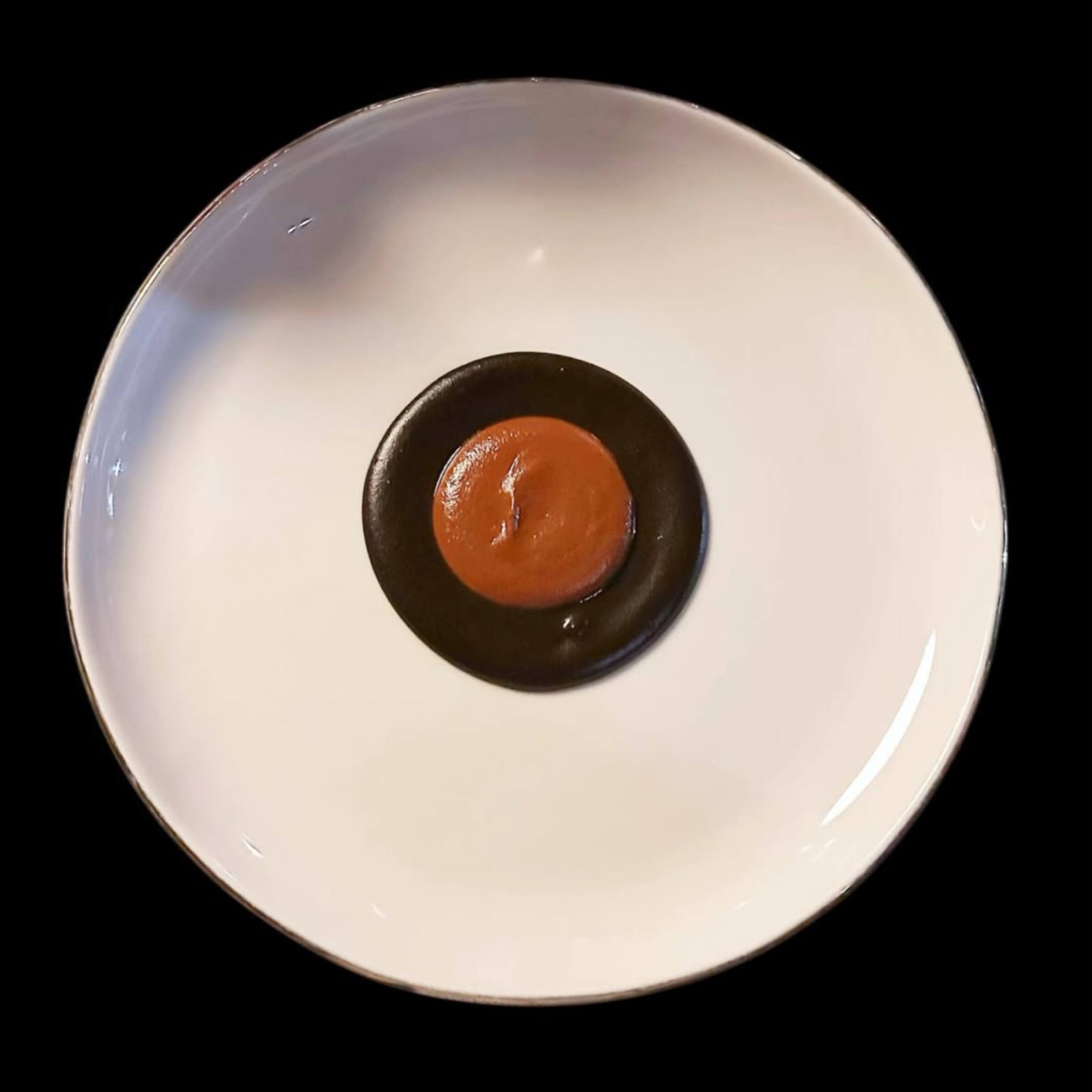 Exhibit 1: Mole Madr from Pujol, Mexico City (source: Chef Enrique Olvera's Instagram)
- Manam Chocolate: Their Mango Summers menu pairs the heat of Andhra’s Guntur chillies with tart Kesar mangoes and 67% single-origin dark chocolate. The high cocoa content balances the spice.
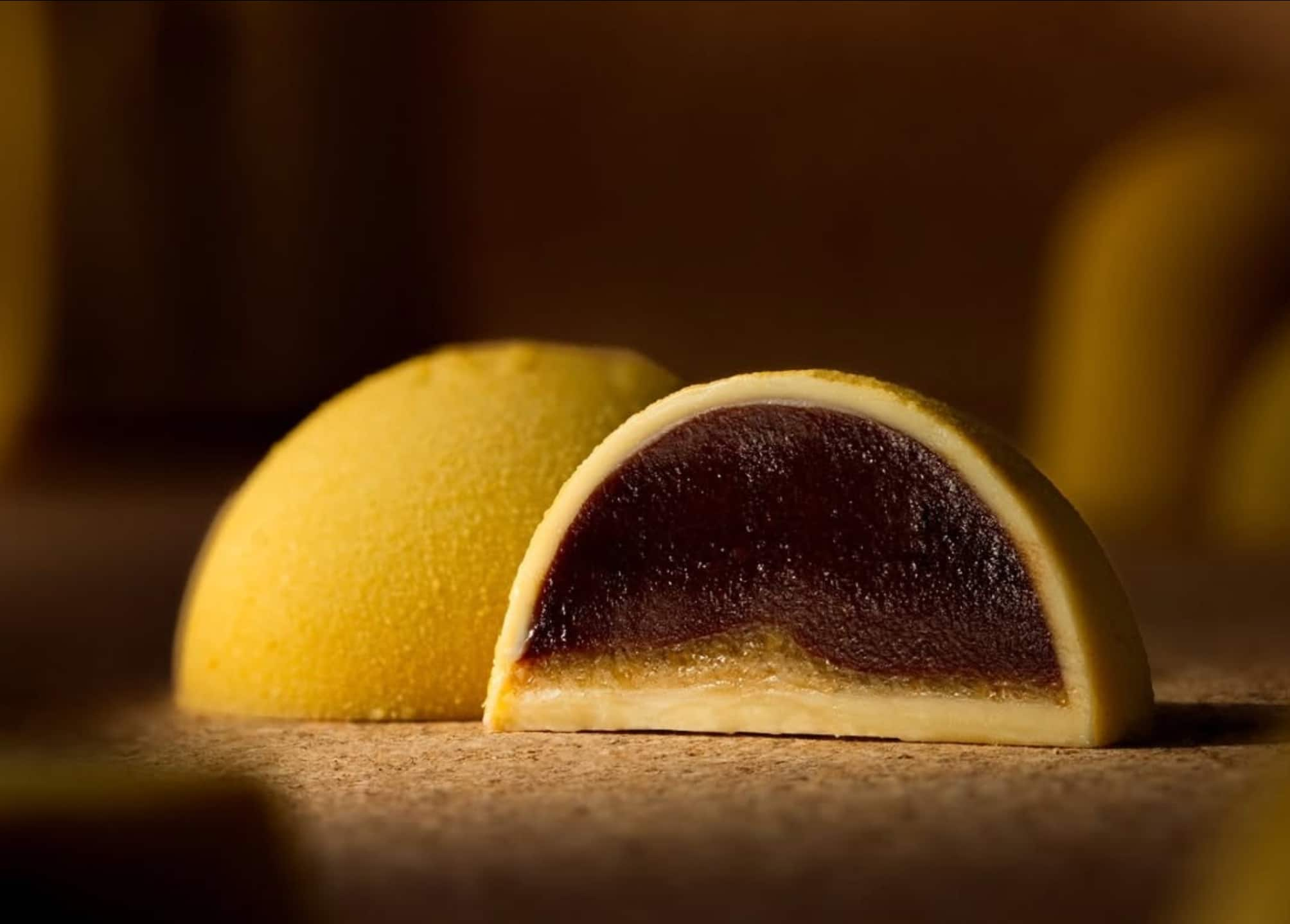 Exhibit 2: Kesar mango bonbon from Manam Chocolate (source: Manam Chocolate's Instagram)
2. Milk chocolate: The Swiss innovation
The history
For years, chocolatiers struggled to mix milk with chocolate because the water caused the chocolate to seize. It was not until 1875 in Switzerland that Daniel Peter used powdered milk (invented by his neighbor, Henri Nestlé) to create the first milk chocolate bar.
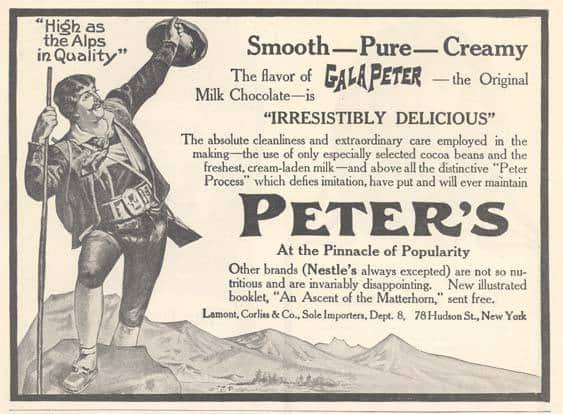 Exhibit 3: An ad for Peter’s milk chocolate
The science Milk chocolate contains cocoa solids and cocoa butter, but with added sugar and milk solids. These milk solids create a gentle texture where the chocolate blends into the dessert rather than standing apart.
When to choose it Use milk chocolate when you want comfort, creaminess, and a softer bite. Best for: Chewy cookies, creamy frostings, and sweet fillings.
Innovative uses
- Milk chocolate panna cotta - a cream-set Italian dessert where milk chocolate is melted into a base of cream, milk, sugar, and gelatin, then chilled until softly set. It’s favoured in restaurants because the milk chocolate adds roundness and sweetness, making the panna cotta richer and more comforting than dark-chocolate versions, especially when paired with salt, nuts, or caramel notes.
- Hong Kong-style milk tea tiramisu - Top Chef winner Melissa King recipe reinterprets Italian dessert with Hong Kong-style milk tea (black tea, condensed milk) and creamy mascarpone, layered with ladyfingers and topped with grated milk chocolate.
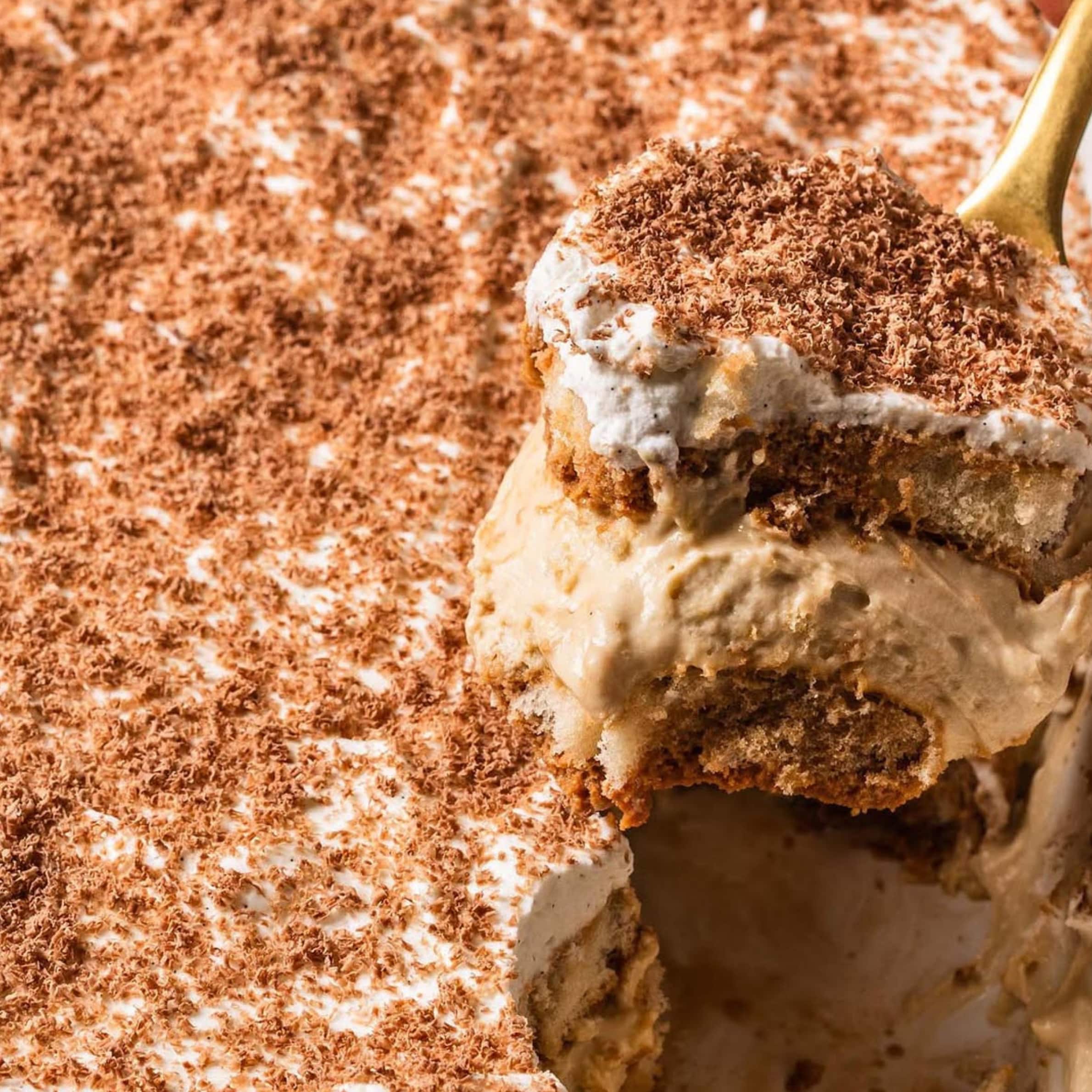 Exhibit 4: Hong Kong-style milk tea tiramisu by Top Chef winner Melissa King (source: Chef Melissa King's Instagram)
3. White chocolate: The modern solution
The history White chocolate was invented in the 1930s as a way to prevent food waste, using up excess cocoa butter. While purists argue it is not real chocolate, chemically, it is a vital product of the cacao bean.
The science White chocolate is made of cocoa butter, sugar, and milk solids. It provides no chocolate flavour; instead, it provides fat and sweetness.
When to choose it Think of white chocolate as a canvas. It is perfect for balancing tart or acidic ingredients like passionfruit, kairi (raw mango), or kokum.
Best for: Blondies, glazes, drips, and fruit-based desserts.
Innovative uses
- White chocolate with mango: Delhi-based luxury mithai house Khoya has created a White Chocolate Aam Papad Barfi that layers a silky white chocolate base with tangy, sun-dried mango leather. The dessert balances the rich fat of the cocoa butter against the acidity of the fruit, creating a smooth texture with a slight chew.
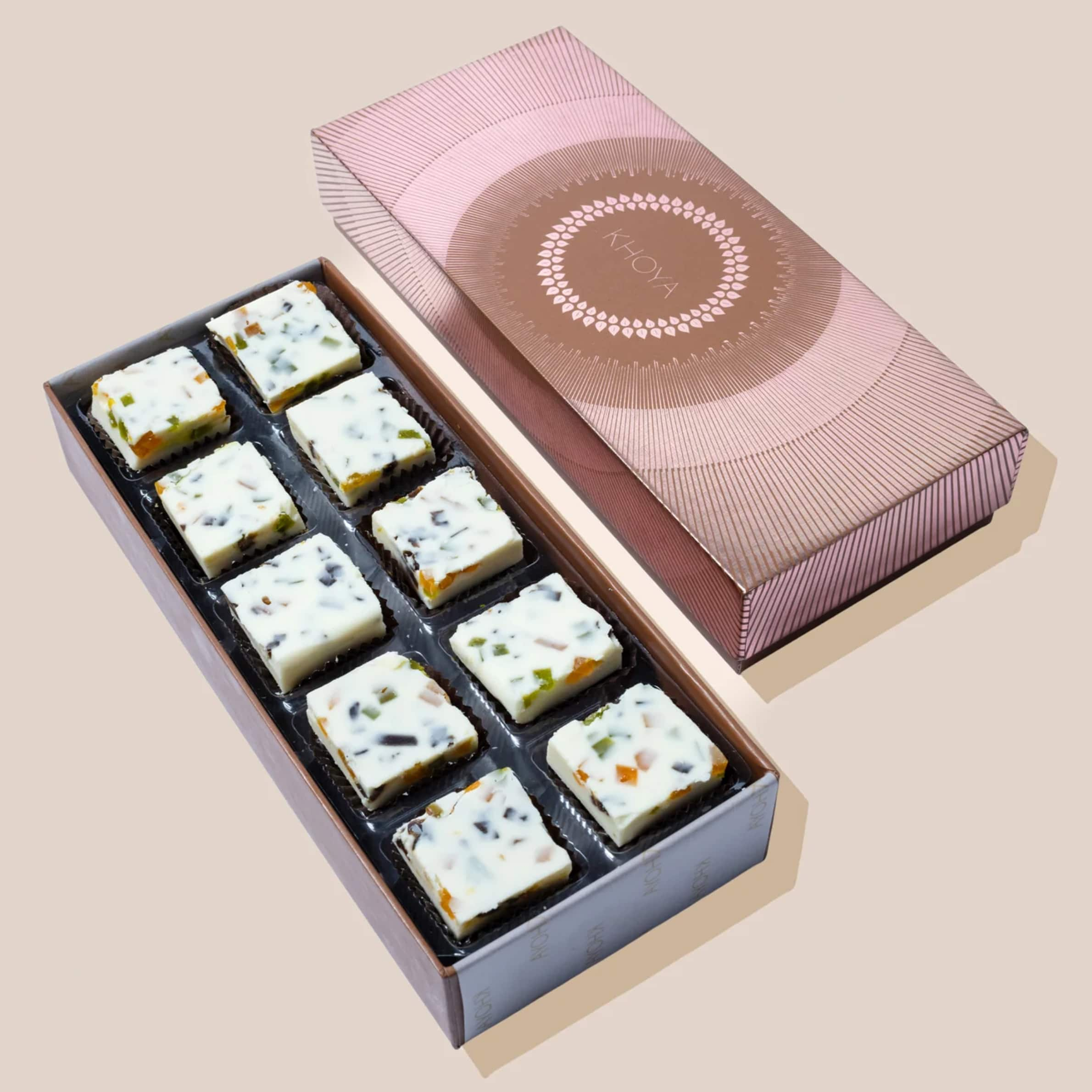 Exhibit 4: White chocolate aam papad barfi from Khoya (source: Khoya website)
- Modern Indian pastry: Many chefs now use white chocolate as a base for high-acid pairings. Because it lacks cocoa solids, it can be infused with things like yoghurt, passionfruit, or citrus to create a creamy mousse that cuts through sharpness without adding the "brown" flavour of cocoa.
Industry reality: A snapshot from Hyperpure
Theory is one thing, but what are professional kitchens actually buying? The sales data from Hyperpure tells a fascinating story:
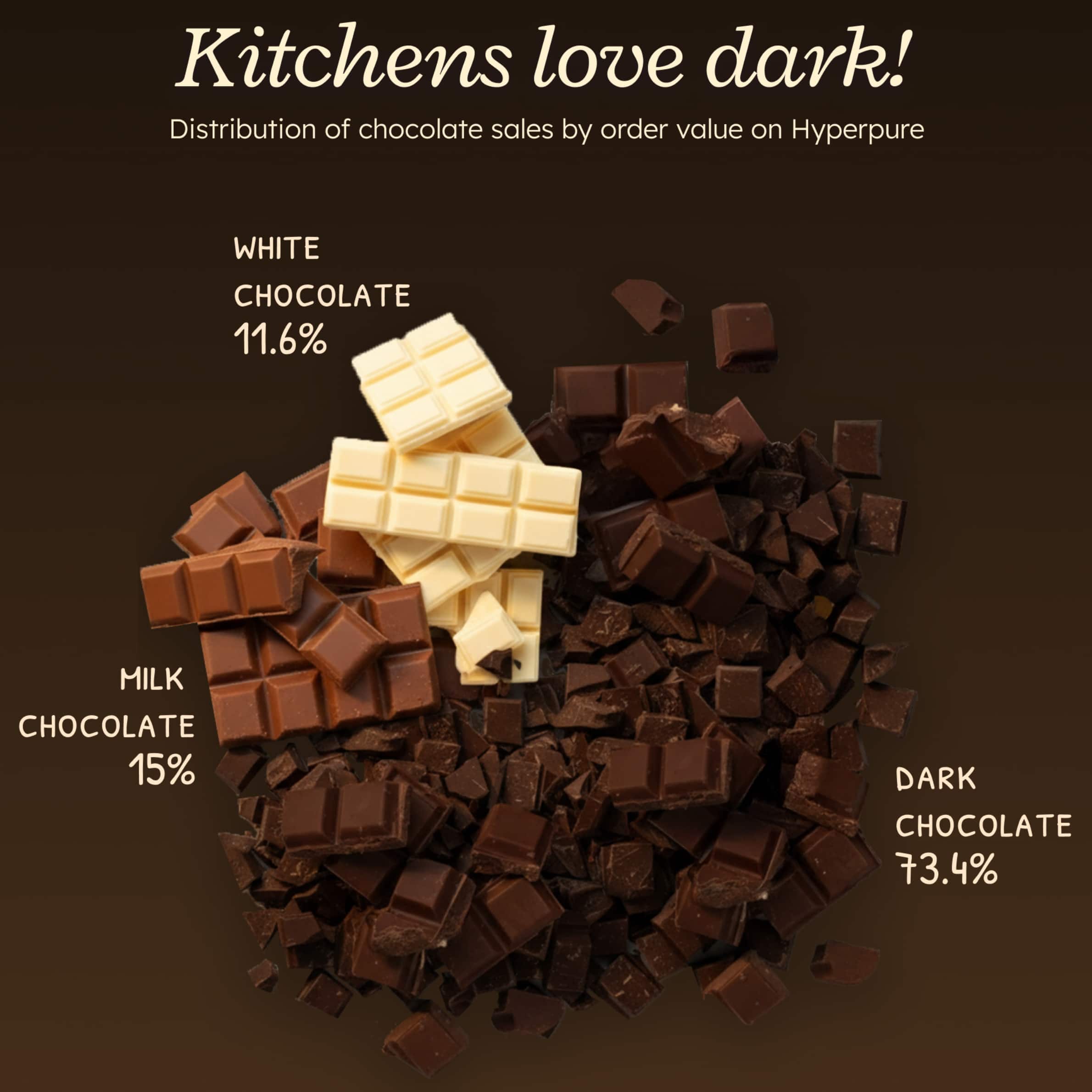 Exhibit 4: Chocolate sales distribution
Dark chocolate clearly dominates sales across all outlet sizes. White chocolate is also widely bought, but in smaller quantities by more niche outlets. Milk chocolate is bought by fewer outlets, but these are large outlets with larger average order values.
Source like a pro with Hyperpure
Whether you are a restaurateur looking for the perfect 67% dark couverture, a home baker perfecting your signature brownie, or anyone running a food business, the quality of your chocolate defines the quality of your bake.
Do not settle for trial-and-error. Hyperpure offers a direct source for purchasing premium chocolates, dark, milk, and white varieties, available in both compound and couverture forms. From bulk blocks for large-scale production to niche chocolates for experimental menus, we provide the consistent quality that professional chefs demand.
If you’re a baker, check out the chocolate collection on the Hyperpure app today.