
Ceremonial grade vs regular matcha: what should your cafe use?
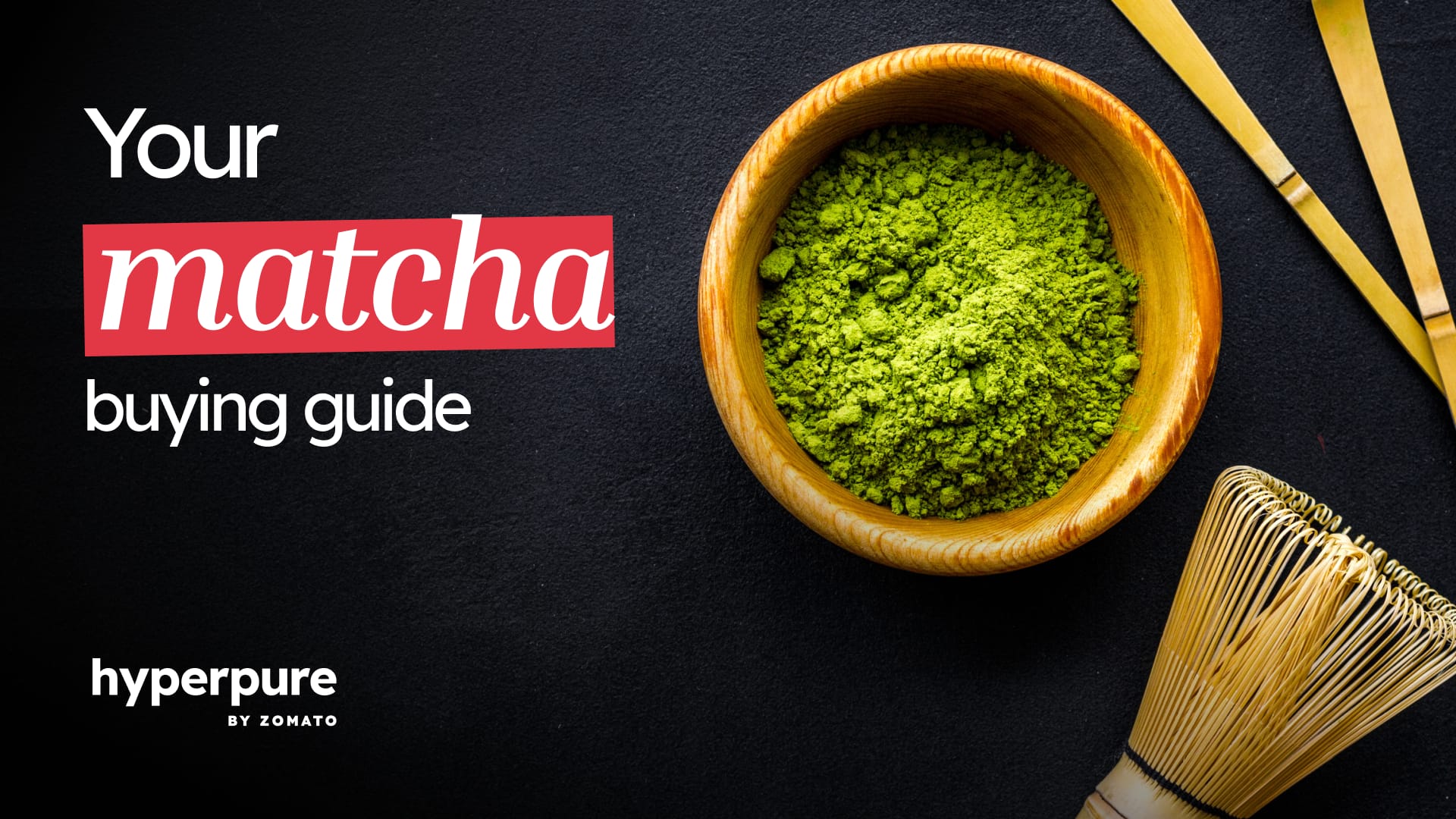
Matcha is moving from specialty menus into the mainstream of India's cafe culture. Google Trends data shows that searches for “how to make matcha” in India surged 1,300% over the past year. The interest is also becoming more experimental: searches for “mango matcha” rose 200% and “strawberry matcha” rose 400% during the summer, while “dirty matcha” and “coconut matcha” saw breakout interest during the monsoon. In August 2026, searches for “matcha whisk” and “matcha bowl” also became breakout queries.
That growing curiosity is already showing up on cafe menus which are not only serving Matcha lattes but also experimenting with beverages such as mango matcha and dirty matcha, combining matcha with ingredients such as mango and espresso. Mumbai-based Drnk has taken a more playful approach with drinks including Strawberry Matcha, Habibi Matcha with pistachio and its Kyoto Cloud Matcha.
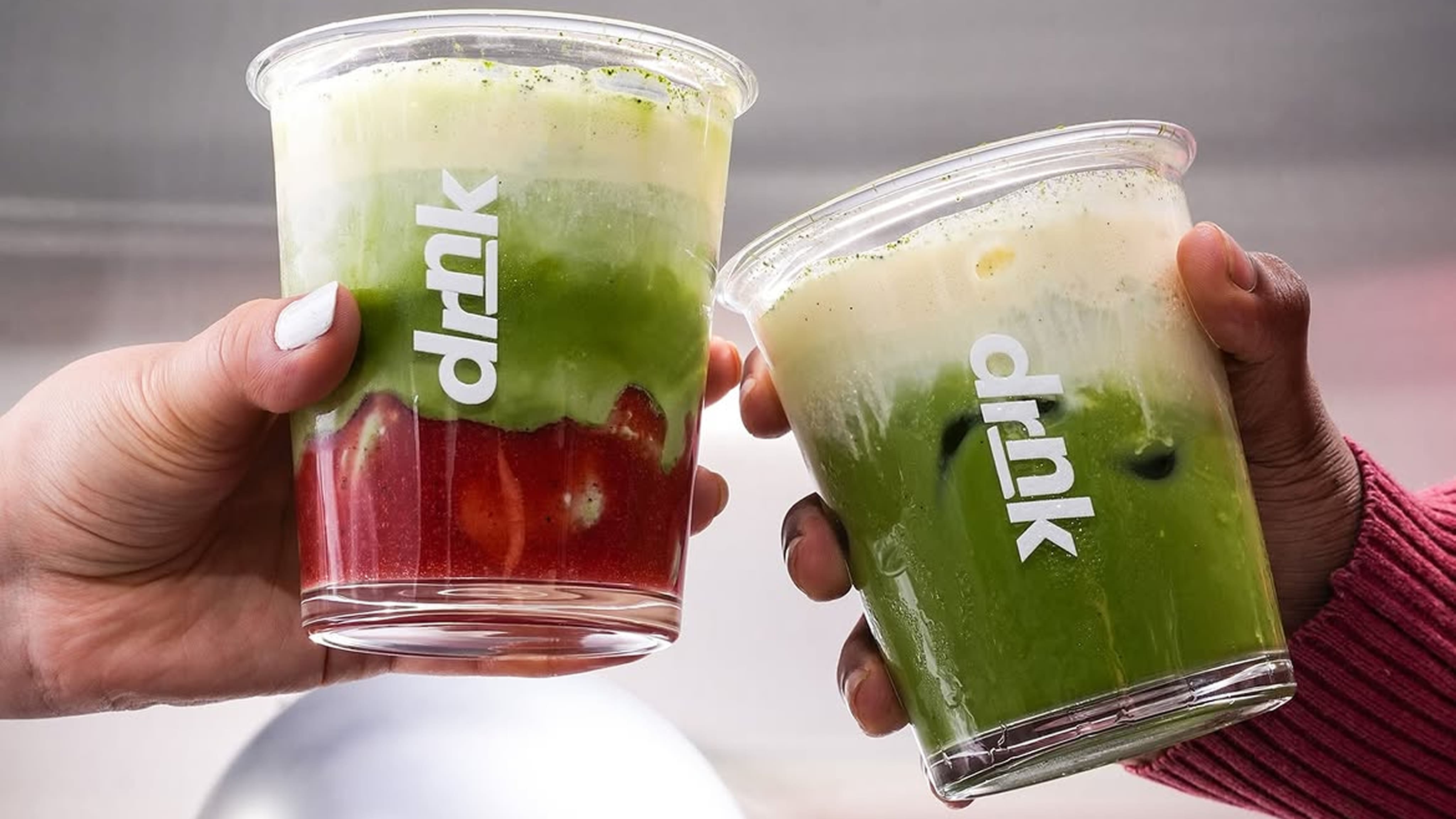 (Hot girl matcha, image source: drnk’s Instagram)
Other cafes are pushing the category further, pairing matcha with coconut, boba, coffee and seasonal fruits. Matcha is also moving into desserts, from tiramisu and cheesecakes to cookies and ice cream.
For cafes and restaurants, this makes matcha an increasingly versatile menu ingredient. It can be used in everything from classic lattes and iced drinks to fruit-forward beverages, coffee fusions and desserts.
But if you're adding matcha to your menu, there is one important question to answer: what's the difference between ceremonial and regular matcha, and which one should you use?
What is matcha?
Matcha is a finely ground Japanese green tea made from tencha, a tea leaf that is shade-grown, steamed, dried and processed before being ground into a fine powder.
Its history goes back centuries. Powdered tea originated in China and was later introduced to Japan, where it became closely associated with Buddhist monks and eventually the Japanese tea ceremony.
Today, matcha has moved well beyond the traditional tea bowl. Modern cafes are combining it with milk, fruit, coffee and other ingredients to create new drinks and desserts.
Ceremonial vs regular matcha
“Ceremonial grade” and “culinary grade” are commonly used industry terms rather than universally regulated grades. Quality can therefore vary between producers.
Broadly, ceremonial-grade matcha is intended to be enjoyed on its own, while regular or culinary matcha is designed to be used as an ingredient.
Ceremonial-grade matcha generally has a brighter green colour, finer texture and smoother, more rounded flavour, with the umami character of the tea more apparent.
Regular matcha tends to have a stronger, more robust flavour, which can work well when combined with milk, sugar or other ingredients.
Which matcha should a cafe use?
The right choice depends on how you plan to use it.
For straight matcha
If you're serving matcha with just water, ceremonial-grade matcha is the natural choice. With no milk, sugar or other ingredients to balance the tea, the flavour and quality of the matcha take centre stage.
For premium matcha lattes
Ceremonial-grade matcha can also work particularly well in premium lattes. Its smoother flavour and vibrant green colour can make the drink feel more premium, while allowing matcha to remain the hero ingredient.
For standard lattes and iced drinks
Regular matcha can work well when the recipe contains milk, sweeteners or other flavour combinations. For cafes serving a high volume of matcha beverages, it can also be a practical choice from a food-cost perspective.
For desserts and baking
Regular or culinary matcha is often the practical choice for cakes, cookies, ice creams and other desserts. When matcha is combined with chocolate, cream, sugar or flour, many of the subtler characteristics of premium drinking matcha can get masked.
How should you prepare matcha?
For a traditional preparation, sift the matcha first to prevent clumps. Add hot, rather than boiling, water and whisk until the powder is fully incorporated.
For cafe drinks, creating a smooth matcha concentrate before adding milk or other ingredients helps ensure an even texture and consistent flavour.
For commercial kitchens, consistency matters. Standardise the amount of matcha, water, milk and sweetener used in each recipe so every cup delivers the same experience.
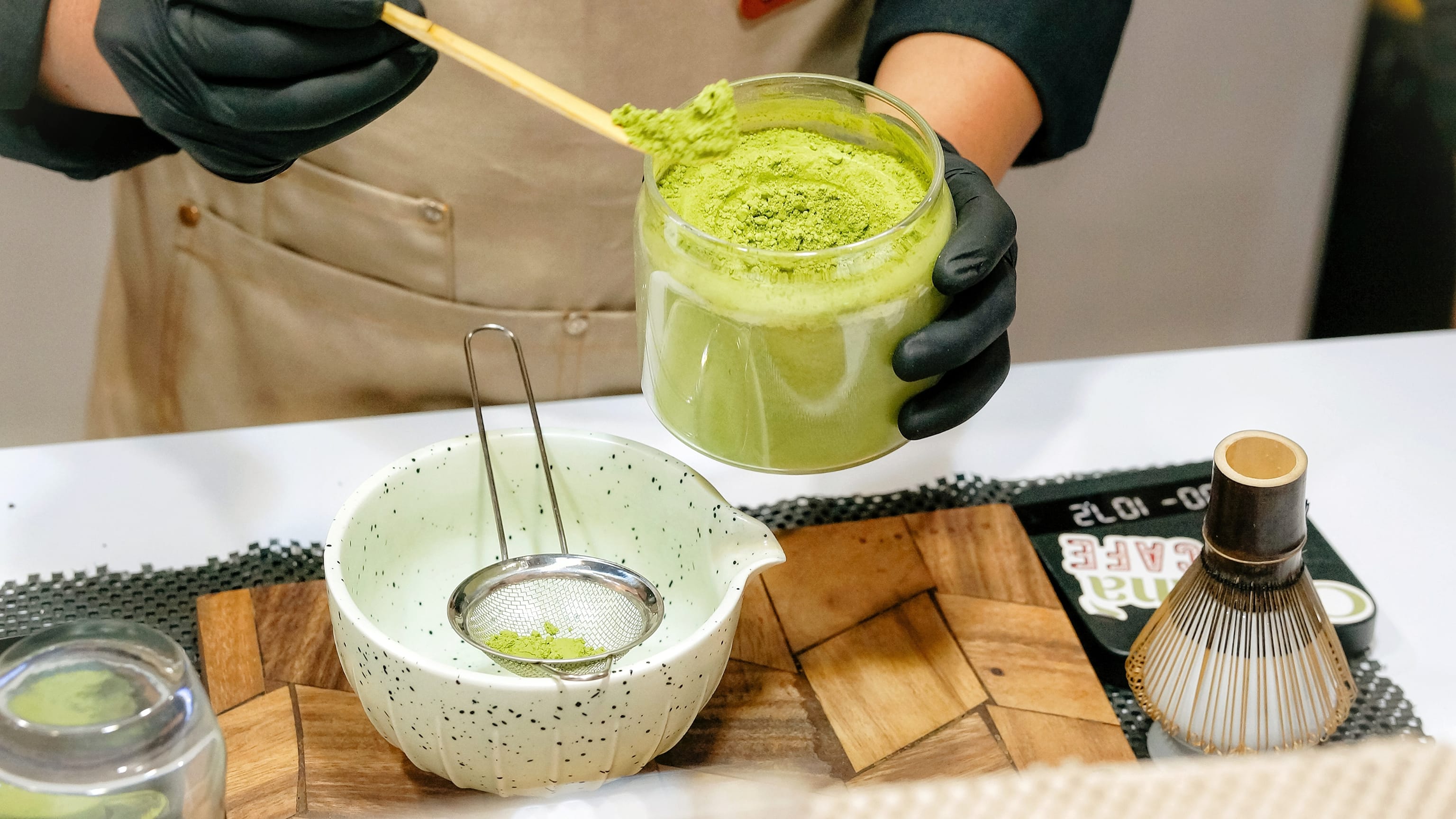 (Sifting and preparing matcha)
Choose the right matcha for your menu
For cafes and restaurants, the best matcha isn't necessarily the most expensive one. It is the one that suits the application, delivers the flavour and colour you're looking for, and works with your menu and food cost.
At Hyperpure, you can source both regular and ceremonial-grade matcha, giving you the flexibility to choose the right product for everything from everyday lattes and desserts to premium matcha beverages.
And matcha is just the start. If you're a cafe or restaurant looking to source everything your kitchen needs, Hyperpure brings together coffee beans, matcha, boba, snacks, premium ready-to-serve desserts and more, all in one place.