
How a paan shop in Delhi created one of India’s most famous chaats
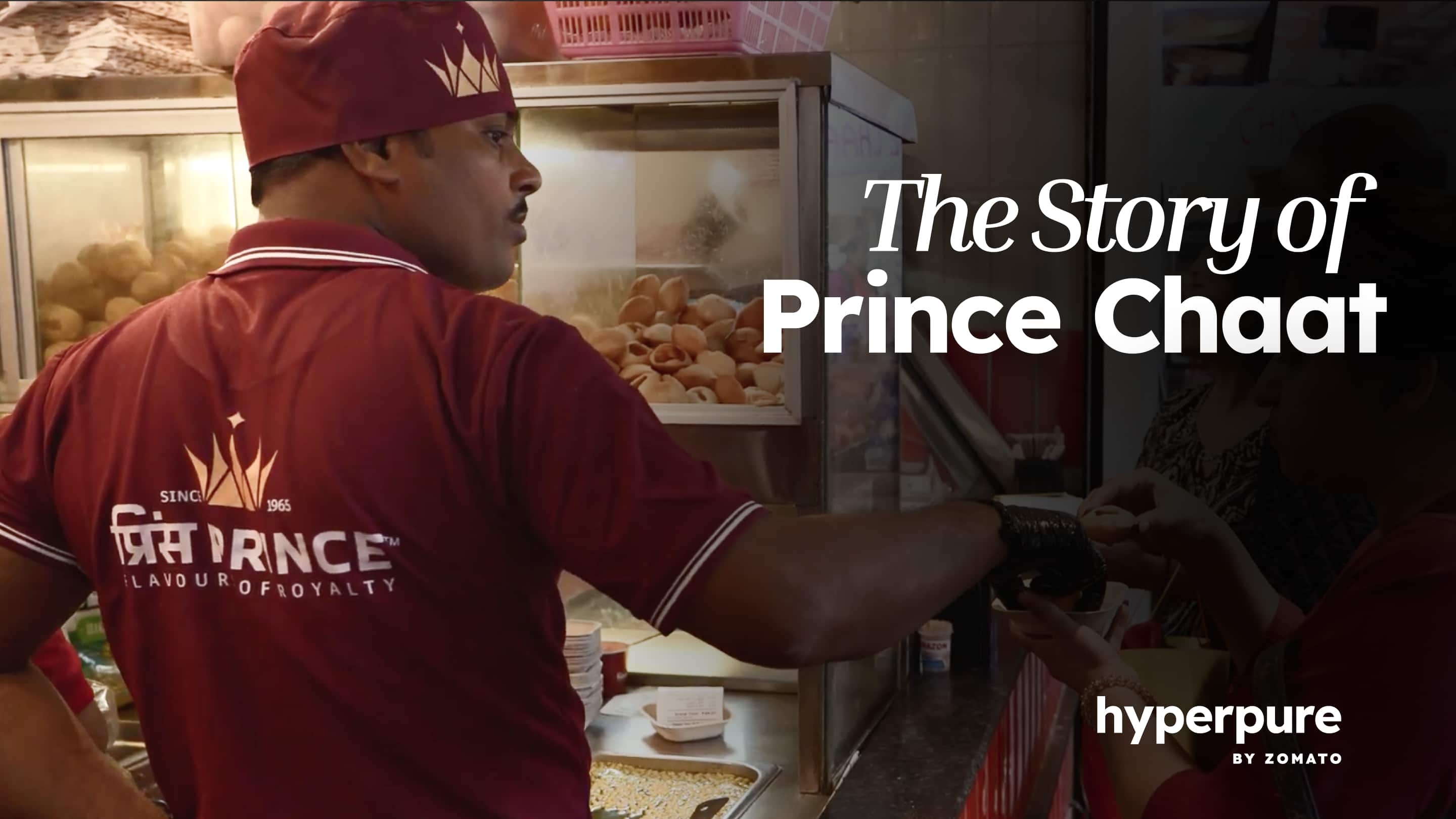
Prince Chaat in Greater Kailash is one of those Delhi landmarks that needs no introduction. While it is now a global name, the story begins long before the chaat counter ever existed. It goes back to 1965, when Yash Tekwani’s father started a modest paan shop that would eventually become known as Prince Paan.
Today, the business is managed by Yash Tekwani, who grew up behind that counter. He remembers a time when Greater Kailash looked nothing like the bustling hub it is today. “When my father first came here, he used to say the whole area felt almost empty,” Yash says. “There were hills around and very few people. It was so quiet that house owners would leave their keys with him; if someone came looking to rent or buy, he was the one who would show them the property.”
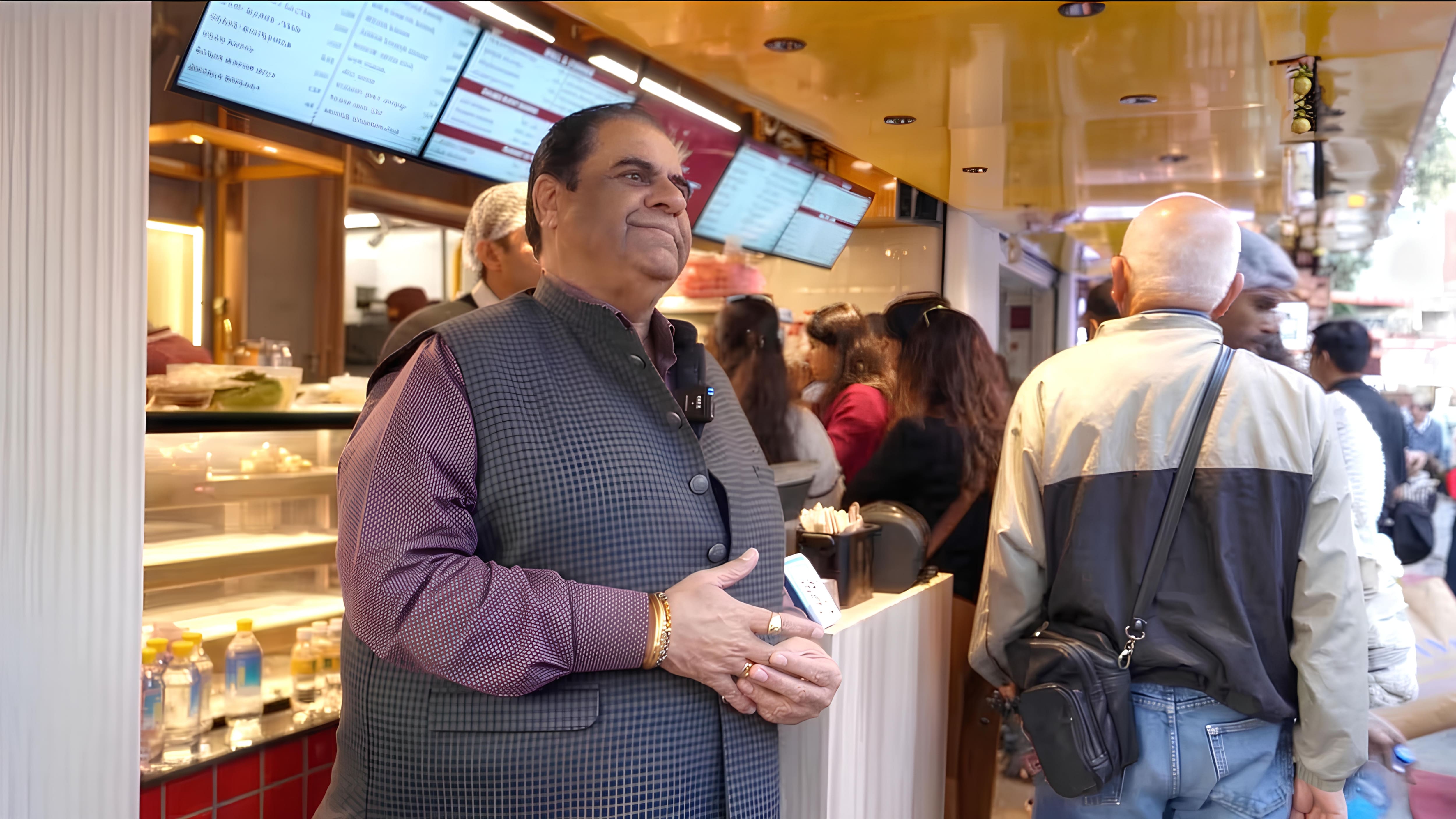 (Yash Tekwani, owner, Prince Chaat)
As the neighborhood grew, the shop became a local fixture. People came for the paan, but the Tekwani family saw an opportunity to grow alongside the community. By the early 1990s, they decided to take a leap and add a chaat counter next to the paan shop. That was the official beginning of Prince Chaat.
The invention of palak patta chaat
In the early days, the menu was simple, focusing primarily on golgappas. However, the shop’s identity changed forever following a home experiment by Yash’s wife, Jyoti Tekwani. After joining the business in 1989, Jyoti noticed the growing craze for street food and began brainstorming unique additions to the menu.
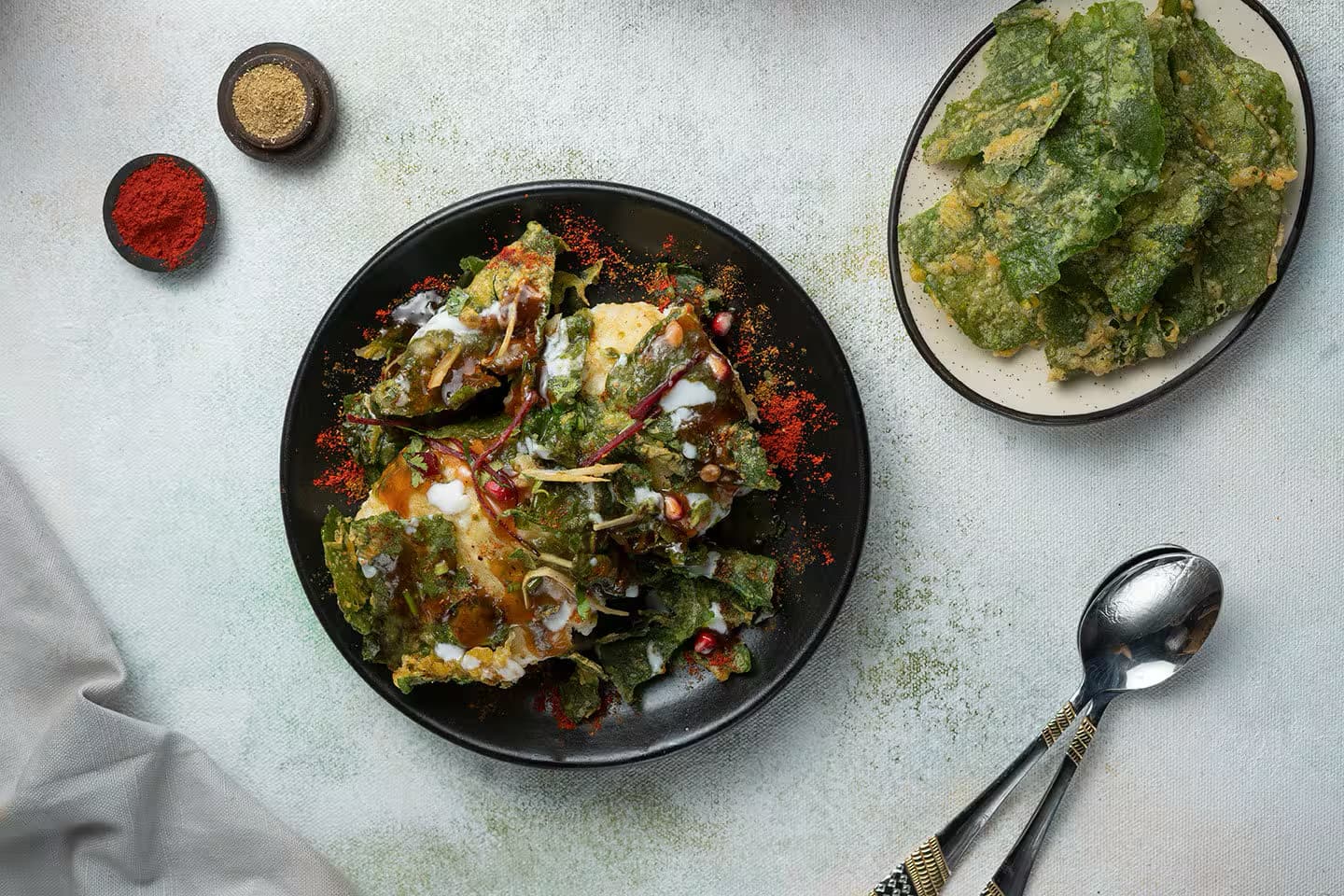 (Palak patta chaat at Prince Chaat Source: Zomato)
“She saw that there was a lot of demand for chaat,” Yash explains. “So she started trying something with spinach.” What began as a small trial, making just half a kilo of spinach, soon exploded in popularity. “Then it became one kilo. Now we use many kilos every day.” This was the birth of the palak patta chaat, a crisp fried spinach leaf topped with vibrant chutneys and spices. Yash takes immense pride in this legacy: “My wife invented it. She came up with the idea, and we were the first to serve it.”
A pioneer in hygiene
Street food in India has often come with a silent trade-off: incredible taste in exchange for questionable hygiene. The Tekwani family decided early on that this didn't have to be the case. Long before it was a common industry standard, they prioritized cleanliness.
One of the most radical moves at the time was serving golgappas with mineral water. In the early 90s, bottled water was an expensive luxury that most people didn’t buy. “People didn’t really drink mineral water then,” Yash remembers. “But my father used to say that one day, people would use mineral water everywhere.”
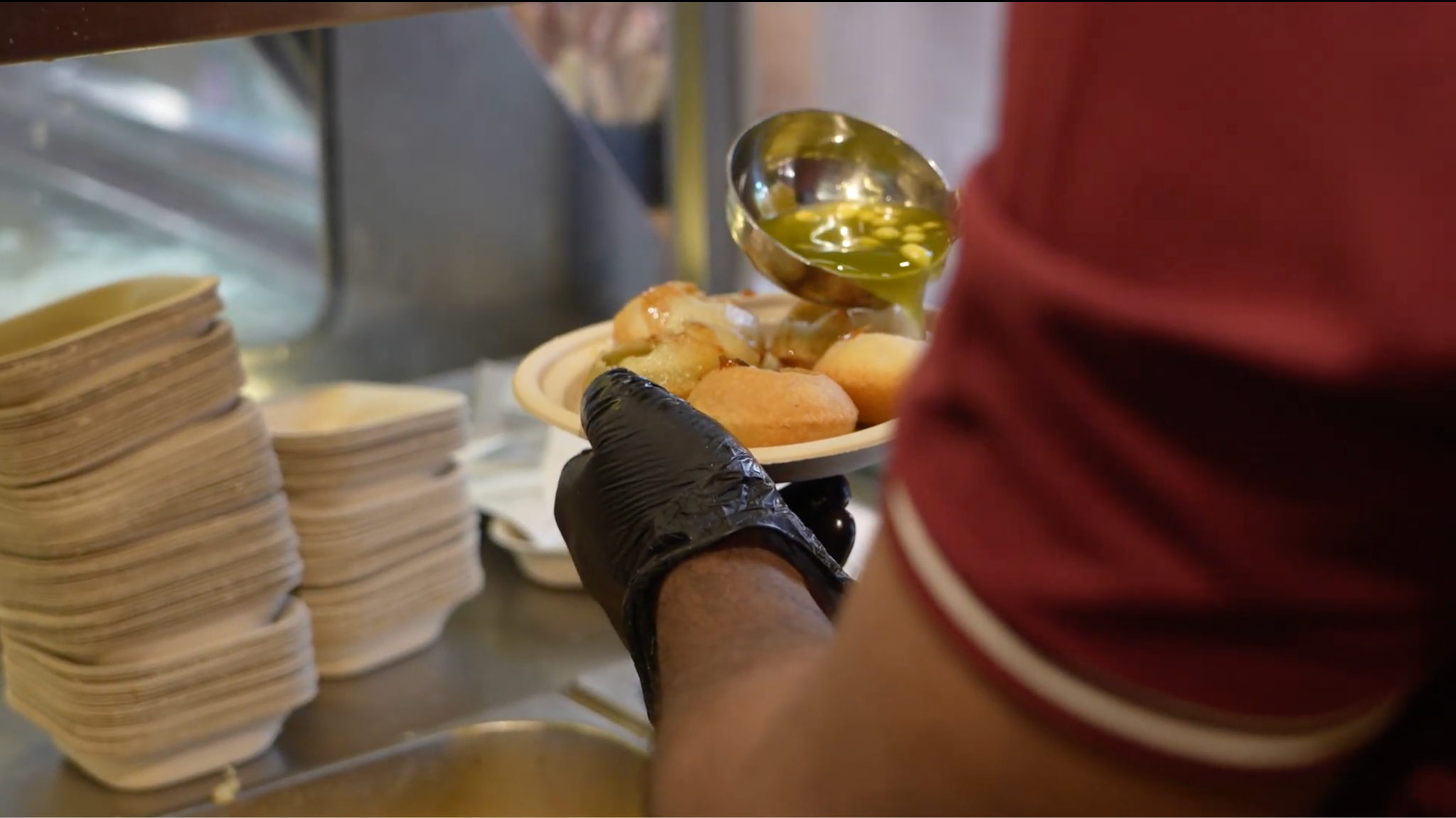 (Golgappas at Prince Chaat)
This focus on quality was also driven by the next generation. Yash’s children, who studied abroad, brought back a global perspective on food safety. “They always say that whatever food you sell should be the same food you would eat yourself,” says Yash. In a discerning neighborhood like Greater Kailash, this commitment to trust and health helped the shop build a loyal, decades-long following.
From avocado golgappas to the Ambani wedding
Prince Chaat has never been afraid to evolve. While they respect tradition, they also cater to modern, health-conscious palates. This led to the creation of the avocado golgappa, a dish that feels more at home in a trendy café but has become a hit at their counter. “We were discussing how to make something healthy but still tasty,” Yash says. The response was immediate, with customers traveling specifically to try the new twist.
This reputation for quality has taken the shop far beyond the streets of Delhi. Recently, the family was invited to serve their signature paan and chaat at the Ambani wedding. “We went from Delhi specially for that,” Yash says, noting that it was a significant milestone in the shop's journey from a small neighborhood stall to a national name.
The secret to longevity
In a city where food trends fade as quickly as they appear, Prince Chaat’s staying power comes down to one word: consistency. “Some people open shops thinking they will make quick money,” Yash observes. “But if you want customers to come back, you have to maintain the same quality every day. If someone eats today and comes back later, the taste should be exactly the same. That is how you build trust.”
The business side of street food
Running a chaat shop might look simple from the outside, but there are several costs involved. For a plate of chaat priced around ₹100, Yash says the food cost is roughly 25 to 30 percent. The rest goes into rent, staff salaries, and packaging. “In total around 70 to 75 percent becomes expenses,” he says. “After that, about 20 percent profit remains.”
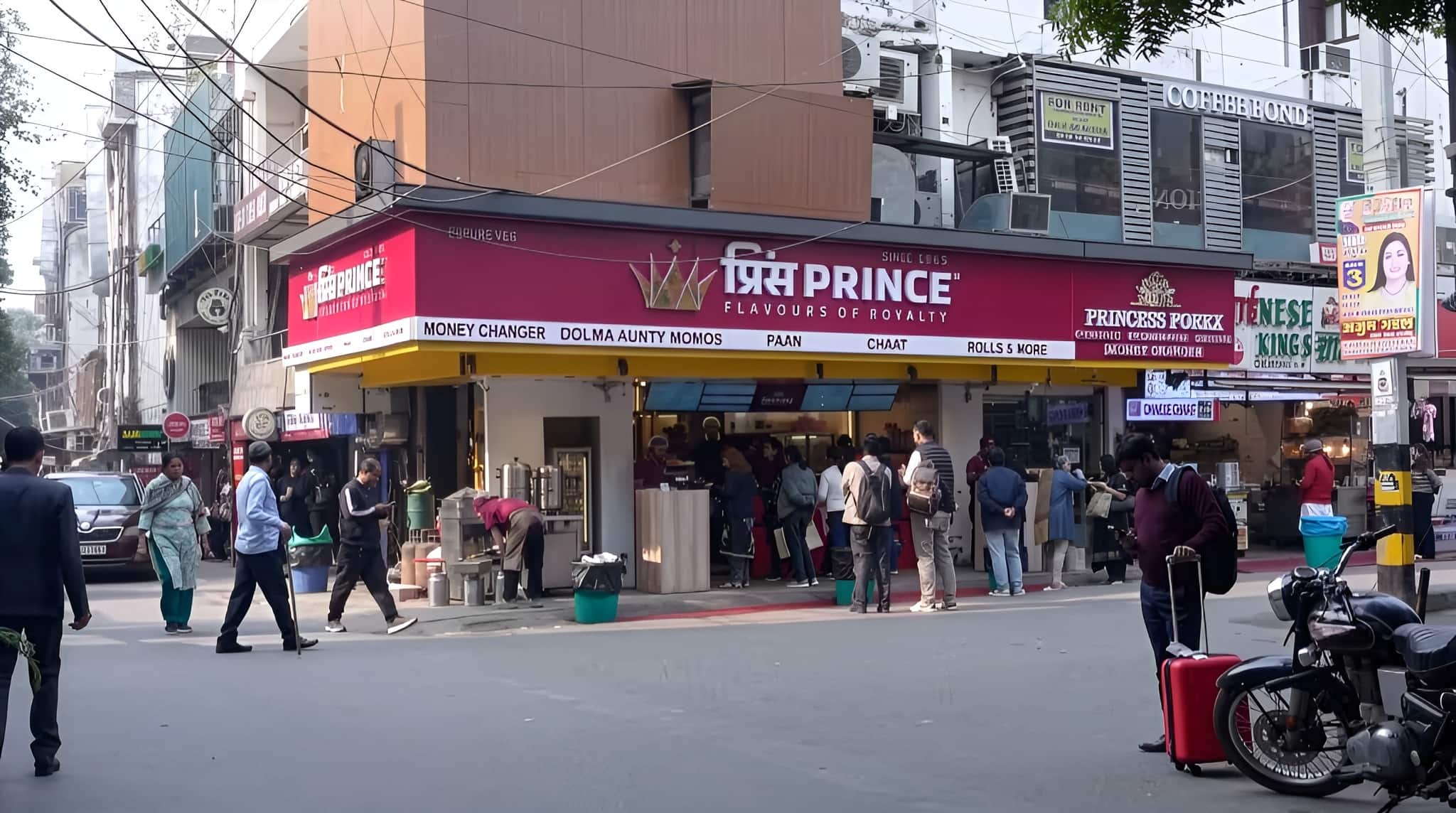 (Price Chaat, Greater Kailash, Delhi)
Today, Prince Chaat is expanding globally, with outlets in cities like Bangkok and plans for London and Canada. Yet, for many Delhi residents, it remains a personal landmark. It’s where you went after school, where you took your friends, and where you now bring your own children. It isn't just a place to eat; it's a part of the city’s history.
Hear the story from Yash Tekwani himself
If you’d like to hear the full conversation with Yash Tekwani, including stories about how Prince Chaat began, the origin of palak patta chaat, and how the business has grown over the years, you can watch the interview here.
If you run a restaurant or a street food chaat stall and want to stock up on quality ingredients for all your dishes, check out hyperpure.com