
How did Hyderabadi Haleem get its GI tag?
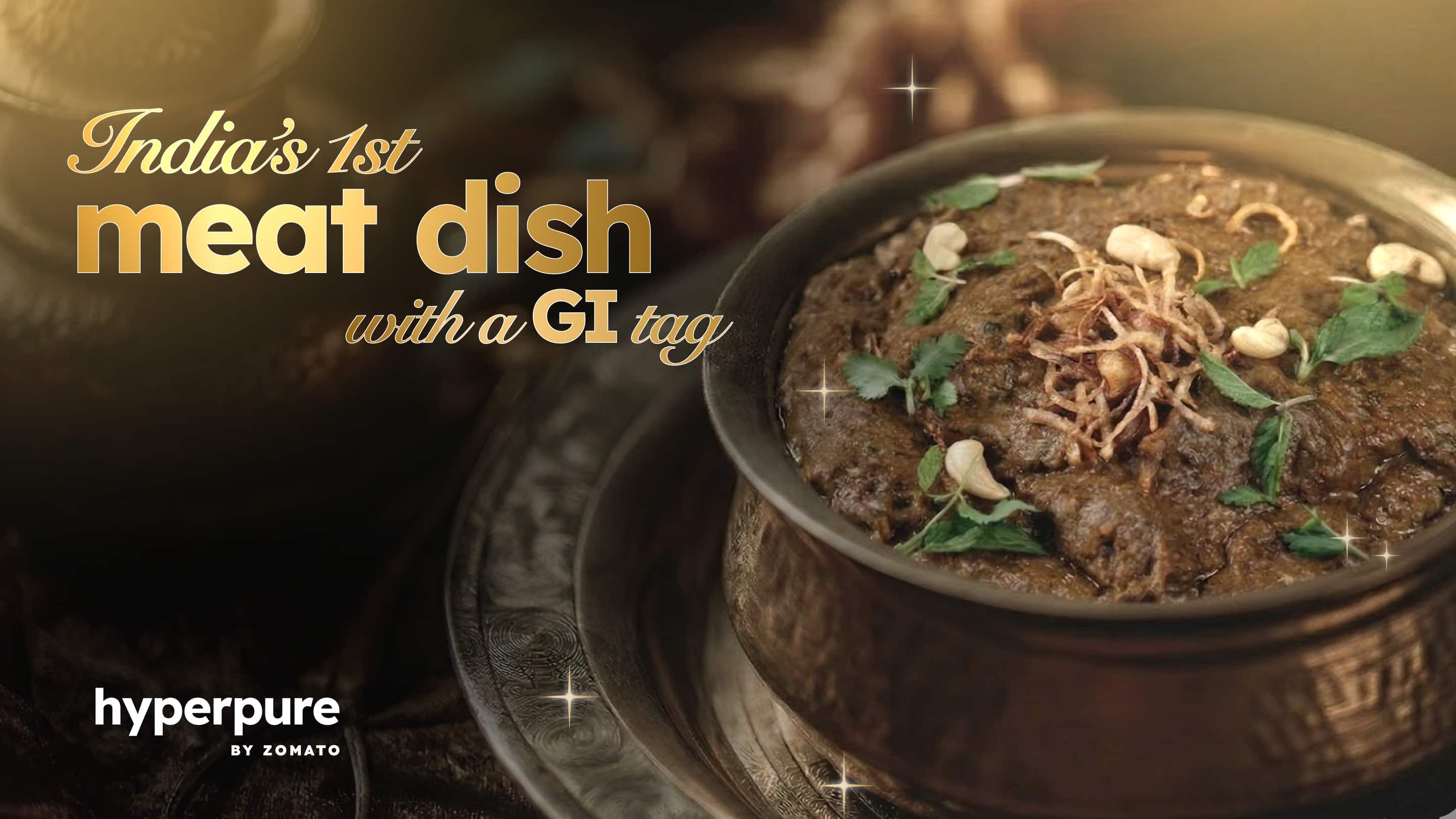
If there's one dish that outshines biryani during Ramzan season in Hyderabad, it is haleem. A slow-cooked, velvety stew of wheat, lentils and meat, beaten into a rich, stretchy paste and perfumed with ghee and spices, haleem floods the city every evening of the month, bubbling away in giant cauldrons, sending out aromas that pull in fasting families, office-goers and late-night snackers alike. To eat it is to understand why people wait: the silky, almost molten paste gives way to crisp fried onions on top, a squeeze of lime cuts through the richness, and the ghee pools at the edges of the bowl in a way that makes it almost impossible to stop at one serving.
Haleem's story begins with its West Asian cousin. As historian Rana Safvi reminds us: "Though the basic premise of the two is similar (meat cooked with grains), the taste and preparation are very different. The haleem resembles the Arab harees in appearance and, somewhat, taste." That journey from harees to haleem is also the story of how Arab migrants, local cooks and Hyderabadi appetites turned a simple wheat-and-meat porridge into a citywide obsession.
Over time, standards around "real" Hyderabadi haleem have become almost mythic. Culinary historian Colleen Taylor Sen captures this beautifully: "To qualify as authentic, it must be made with goat meat; the ratio of meat to wheat must be 10:4; the ghee must be laboratory certified as totally pure and the dish must be cooked in a copper pot over firewood for twelve hours." In other words, haleem is not just another Ramzan special; it is a test of patience, ingredients and technique, and a bowlful of Hyderabad's own history.
What exactly is haleem?
At its simplest, haleem is a porridge-like dish made by simmering cracked wheat (or wheat and barley), lentils and meat for hours until everything breaks down into a thick, stretchy paste. Spices, browned onions and generous amounts of ghee are worked in, and the whole mixture is beaten so thoroughly that you cannot tell where the grains end and the meat begins. It is usually ladled into bowls and finished with crisp fried onions, fresh coriander, slivers of ginger, green chillies and a squeeze of lime, sometimes with a drizzle of ghee on top.
Nutritionally, haleem is dense and sustaining: it combines complex carbohydrates from grains, protein from meat and lentils, and fat from ghee, making it slow to digest and deeply filling. This is one reason it has become such a natural choice for iftar, the meal that breaks the daily fast in Ramzan.
Hyderabadi Haleem and GI Tag
In India, the most famous landing point is Hyderabad. There, the Nizams employed Hadhrami Arab soldiers and officials known locally as Chaush, who settled in areas like Barkas on the city's outskirts. With these Yemeni and Arab families came harees, which local kitchens began to adapt using Indian techniques and spices. Gradually, the mild, subtly seasoned harees transformed into a spicier, richer dish with lentils, fried onions and garam masala: the Hyderabadi haleem that people now travel across the world to taste.
By the early 20th century, haleem had become central to Hyderabad’s Ramzan calendar. In 2010, “Hyderabadi haleem” became the first meat product in India to receive Geographical Indication (GI) status, giving it the same kind of origin-based legal protection that safeguards products such as Parmiggiano Regiano (Parmesan cheese) in Italy and Darjeeling tea in India.
A GI tag is a form of intellectual property protection that links a product to a specific geographical region. It recognises that a product’s quality, reputation or characteristics are essentially tied to its place of origin, and legally restricts the use of its name to producers within that defined area who follow registered standards.
In the case of Hyderabadi haleem, producers demonstrated origin, distinctiveness and reputation. While harees existed elsewhere, the lentil-rich, spice-layered, slow-pounded version evolved distinctly in Hyderabad. Its defined meat-to-wheat ratio, mandatory use of goat meat, long hours of slow cooking and continuous pounding create a texture and flavour unlike Arab harees or North Indian daleem. By the 2000s, it had also become a significant seasonal industry, prompting producers to seek protection against imitation.
The GI Tag officially recognised Haleem as a product inseparable from the city that created it.
Haleem and Ramzan evenings
To understand haleem in India, it helps to picture a Ramzan evening in Hyderabad. Long queues form outside famous outlets; people carry away family-sized tubs; delivery boys race through traffic with insulated crates packed with haleem for customers all over the city. Legendary names like Pista House and Paradise (both Hyperpure partners) draw crowds that stretch around the block, and during peak Ramzan nights, Pista House alone is reported to sell upwards of ten tonnes of haleem a day. Check out this fascinating behind-the-scenes look at how Pista House makes their Haleem!
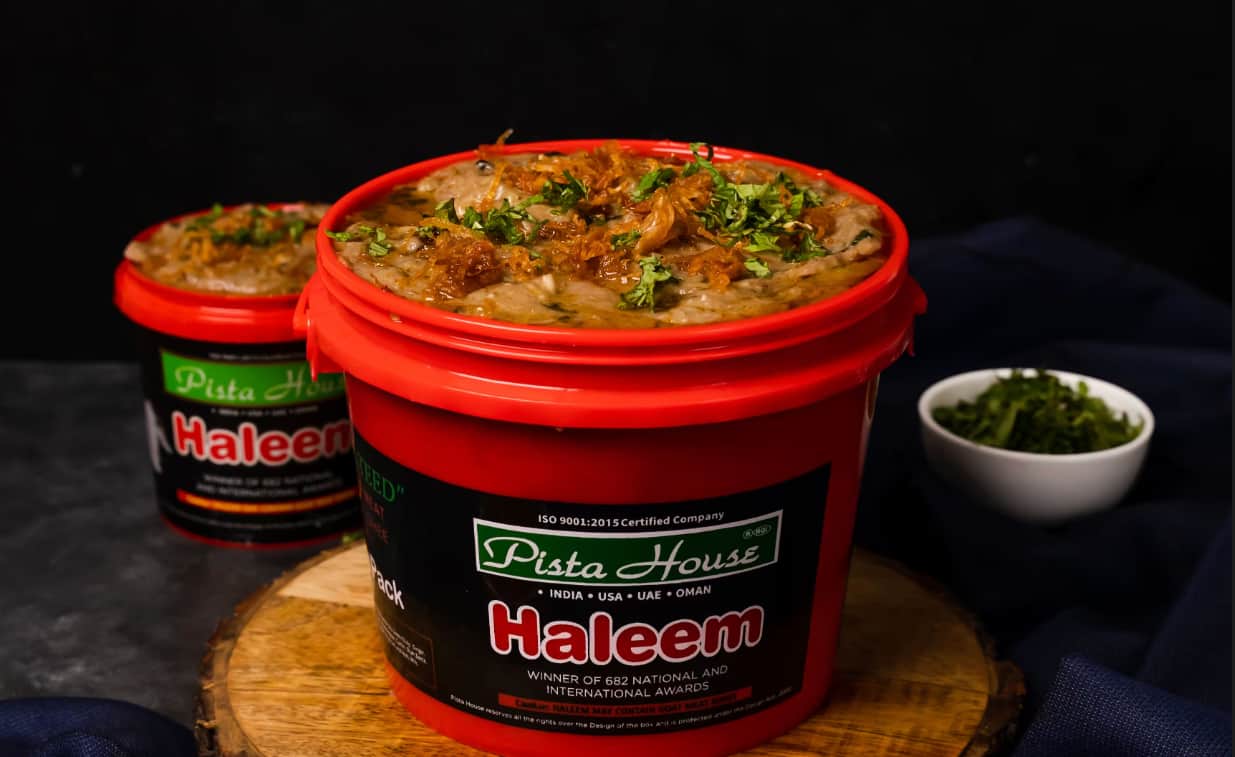 Pista House Haleem (Source: Zomato)
Part of what makes it so keenly anticipated is its scarcity. Because haleem is tied to Ramzan, with serious establishments only making it during the month, leaving just thirty evenings a year to have it. That calendar constraint turns every bowl into something slightly more precious than it would otherwise be. Families have their favourite stalls and return to them year after year, and people who don't otherwise follow restaurant trends will passionately debate which haleem is "best" that season.
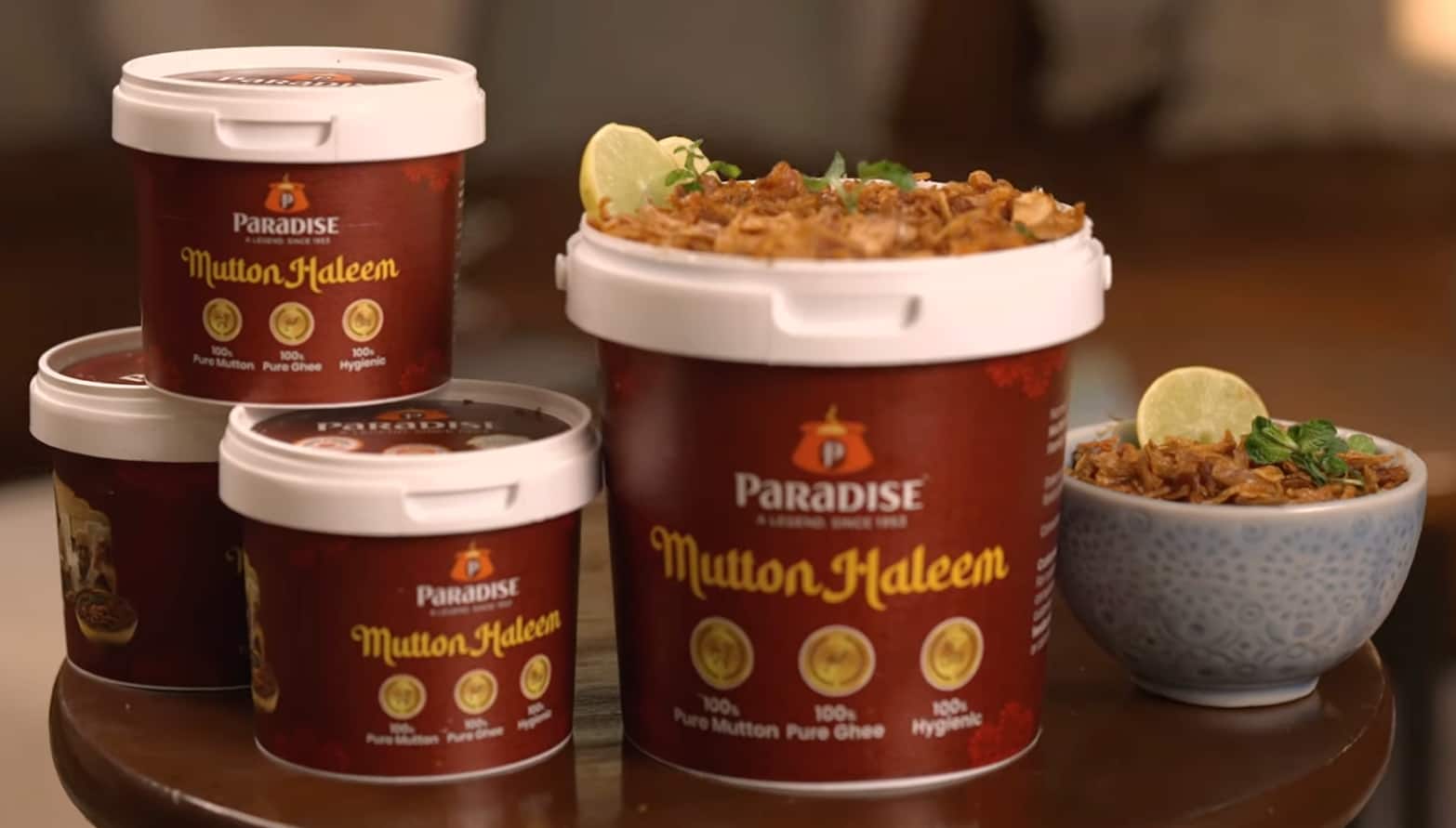 Mutton Haleem from Paradise (Source: Paradise's YouTube channel)
The appeal has also spilled far beyond Muslim communities. Non-Muslims line up just as eagerly, treating haleem as a city-wide seasonal attraction rather than a strictly religious food. In that sense, the dish acts as a kind of cultural bridge, something everyone can share at the end of a hot day, whether or not they have been fasting.
Types and regional styles
The Hyderabadi Haleem is the richest and spiciest regional variant, distinguished by its intense production process involving 7–8 hours of continuous stirring and beating over wood fires until it achieves a glossy, elastic paste. Pakistani and North Indian Haleem, sometimes called Daleem, follows a similar formula but often differs in masala profile and thickness, relying less on the extreme pounding characteristic of the Hyderabadi version. In the Gulf and Levant, the ancestor of the dish, Arab Harees or Harisa, is prepared with simpler seasoning like salt and clarified butter, resulting in a gentler flavor where the grains remain more recognizable. A close cousin found in North India and Pakistan is Khichra or Khichda, which uses the same core ingredients but stops short of full pounding, leaving visible shreds of meat for a heartier, more rustic texture.
Where you find haleem today
Within India, Hyderabad remains the undisputed capital of haleem, and during Ramzan, big names and local legends sell thousands of portions every evening. Many of these outlets now pack and ship frozen or ready-to-eat haleem to other cities, turning a once-local seasonal specialty into something people in Delhi, Mumbai or even abroad can order.
Restaurants in other Indian cities and across Pakistan serve their own versions, some only during Ramzan and others all year round. Home cooks have adapted lengthy traditional methods into pressure-cooker and Instant Pot recipes, shortening the cooking time while trying to preserve the dish's essential richness.
From a soldier's sustaining pot-meal and a migrant community's taste of home, haleem has become a symbol of festive evenings, shared streets and the kind of food that brings people together around something slow, patient and deeply satisfying.
Make your Haleem with the best
Join Hyderabad's top restaurants in sourcing every ingredient you need for haleem, from goat meat and cracked wheat to pure ghee and whole spices, from Hyperpure by Zomato. The same quality that goes into the city's most celebrated bowls, now available for your kitchen too.