
Optimising food costs: a restaurant owner's guide to boosting profit
Revenue is vanity, but food cost is sanity.
I’ve been a restaurant owner, and I wish this was the mantra I had followed from day one. I know the pain of a vendor not showing up at 6:00 AM, the sting of seeing a crate of expensive avocados go soft, and the frustration of realising your "star dish" is actually losing you money every time it’s ordered.
In 2025, we saw more people eating out than ever before, yet many owners are wondering why their bank accounts don’t reflect the "House Full" signs. The answer usually lies in the bin or in a messy spreadsheet. Food cost, which should ideally sit between 28% and 32%, is the "silent killer" of profitability.
Food cost refers to the total amount a restaurant spends on buying and preparing raw ingredients, typically expressed as a percentage of food sales revenue. It reflects the relationship between ingredient costs (COGS) and menu prices, and is a key metric for assessing a restaurant’s profitability.
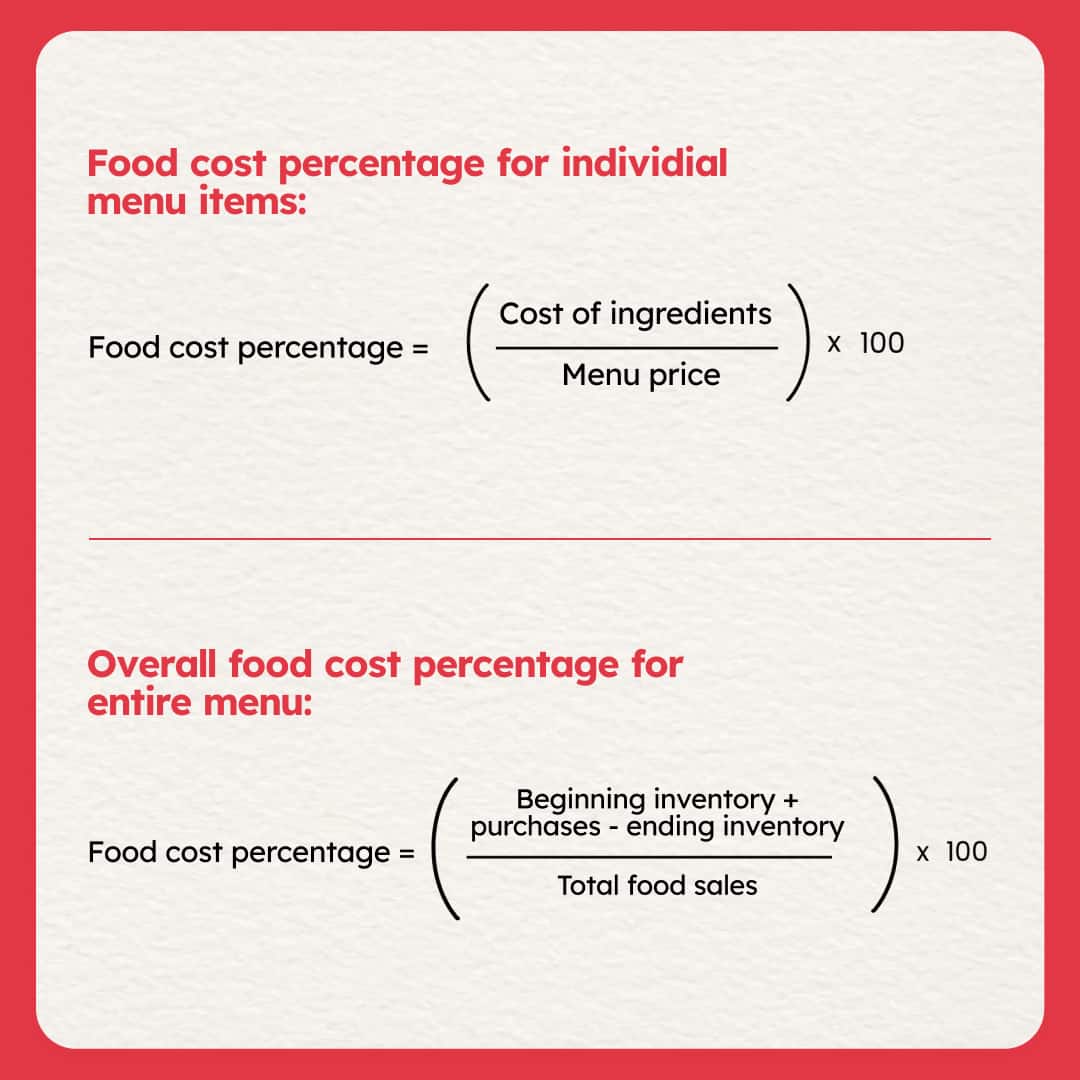 Exhibit 1
Here is my playbook on how to tighten the screws on your food cost without sacrificing the quality your guests love:
1. Identify your "golden ingredients" (the 80/20 rule)
Stop losing sleep over the price of garnish. In every kitchen, roughly 20% of your ingredients account for 80% of your total cost. These are your "golden ingredients", usually proteins (chicken, mutton, paneer), cooking oils, and dairy.
I’ve seen purchase managers fight over a hundred rupees on a bottle of truffle oil used over a month, rather than five rupees on a kilo of chicken, which would lead to a much higher saving.
Action step: List your top 10 most expensive items by monthly spend. If you can save just 3% on these through better sourcing or portion control, it will impact your bottom line more than saving 50% on salt.
2. Know your "yield price," not your "purchase price"
Many owners make the mistake of calculating costs based on what they paid the vendor. But you don't serve raw sacks of potatoes; you serve fries.
- The math: If you buy 10kg of cauliflower but throw away 3kg of stems and leaves, your actual cost per kg has increased by 30%.
- The fix: Conduct yield tests. If a "cheaper" vendor is giving you produce with more waste, they are actually the more expensive option.
This is where the chef needs to step in. Ensuring that the correct cut, recipe, and process are followed can save a lot. Also, defining the specifications of perishables beforehand with the vendor can help cut down on time, effort, and wastages. Hyperpure by Zomato does that for you.
We offer freshly cut and peeled fruits and vegetables that provide high yield while lowering your labour cost. These are hygienically processed in-house at our FSSAI-approved food park (see Exhibit 1, below).
Exhibit 2: Behind the scenes at our facility where we cut, peel and process fruits and vegetables- Attack the three types of waste Waste is just money that didn't make it onto a plate. To fix it, you have to categorise it:
- Prep waste: Are your chefs being too aggressive with the knife? Standardise your cutting techniques.
- Spoilage: Are you over-ordering? If you’re throwing away fresh produce every Sunday night, your forecasting is off.
- Plate waste: If plates are coming back with food on them, or too many doggie bags are being packed, your portions are too large. You’re literally paying to feed the trash can or spending more on packaging for those leftovers.
4. Professionalise your procurement
The days of calling 15 different vendors at 11:00 PM are over. It’s inefficient and leaves you vulnerable to quality fluctuations. When you professionalise your supply chain, you gain the two things that a "local guy" can rarely guarantee: consistency and reliability. One bad batch of tomatoes can ruin 50 portions of makhani gravy; having a partner that delivers consistent quality every morning is your best defense against waste.
5. Menu engineering: Sort your "stars" and "dogs"
Every menu has "dogs", dishes that have a high food cost and low popularity. I’ve come across restaurants that take pride in stating “we’ve never removed a single item from our menu,” resulting in a menu that could pass for a novel and immense pressure on the kitchen to keep raw material ready for a dish that gets ordered once a week.
The strategy: Use a 2x2 matrix to plot your dishes based on Profitability vs. Popularity.
- Stars: High profit, high popularity. Promote these heavily.
- Cash cows: Low profit, high popularity. These are your anchors; keep them but try to lower their cost.
- Question marks: High profit, low popularity. Try to push these through better marketing or a name change.
- Dogs: Low profit, low popularity. Delete them.
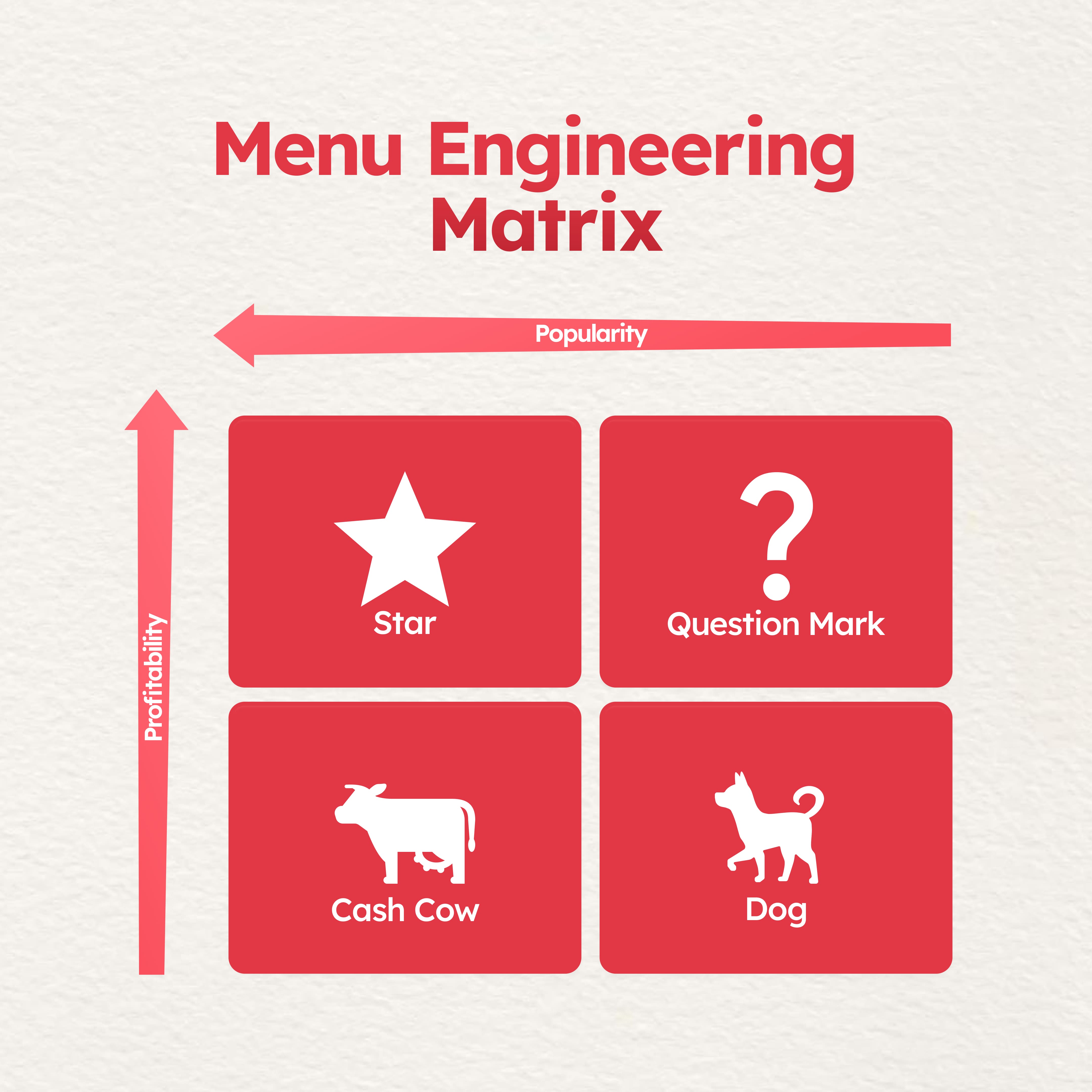 Exhibit 3: Menu engineering matrix
The move: If a dish is expensive to make and nobody buys it, kill it. It’s taking up space in your fridge and tying up capital in your pantry.
Final thought
Optimising food cost isn't about being stingy; it’s about being disciplined. My time as an owner taught me that you can't manage what you don't measure. I lived through the chaos of fragmented vendors so that you don't have to.
Today, at Hyperpure, we focus on taking the guesswork out of your morning deliveries. By providing a reliable, consolidated source for everything from fresh produce to poultry, dairy, and staples, we help you ensure that what you pay for is exactly what you get. When your supply chain is consistent, your margins follow.
Ready to simplify your sourcing and protect your profits? Visit Hyperpure.com today to see how we can bring consistency to your kitchen.
This blog was authored by Mudit Tandon, in collaboration with Archit Puri.