
The Omakase trend: Why Indian diners are paying a premium to stop ordering
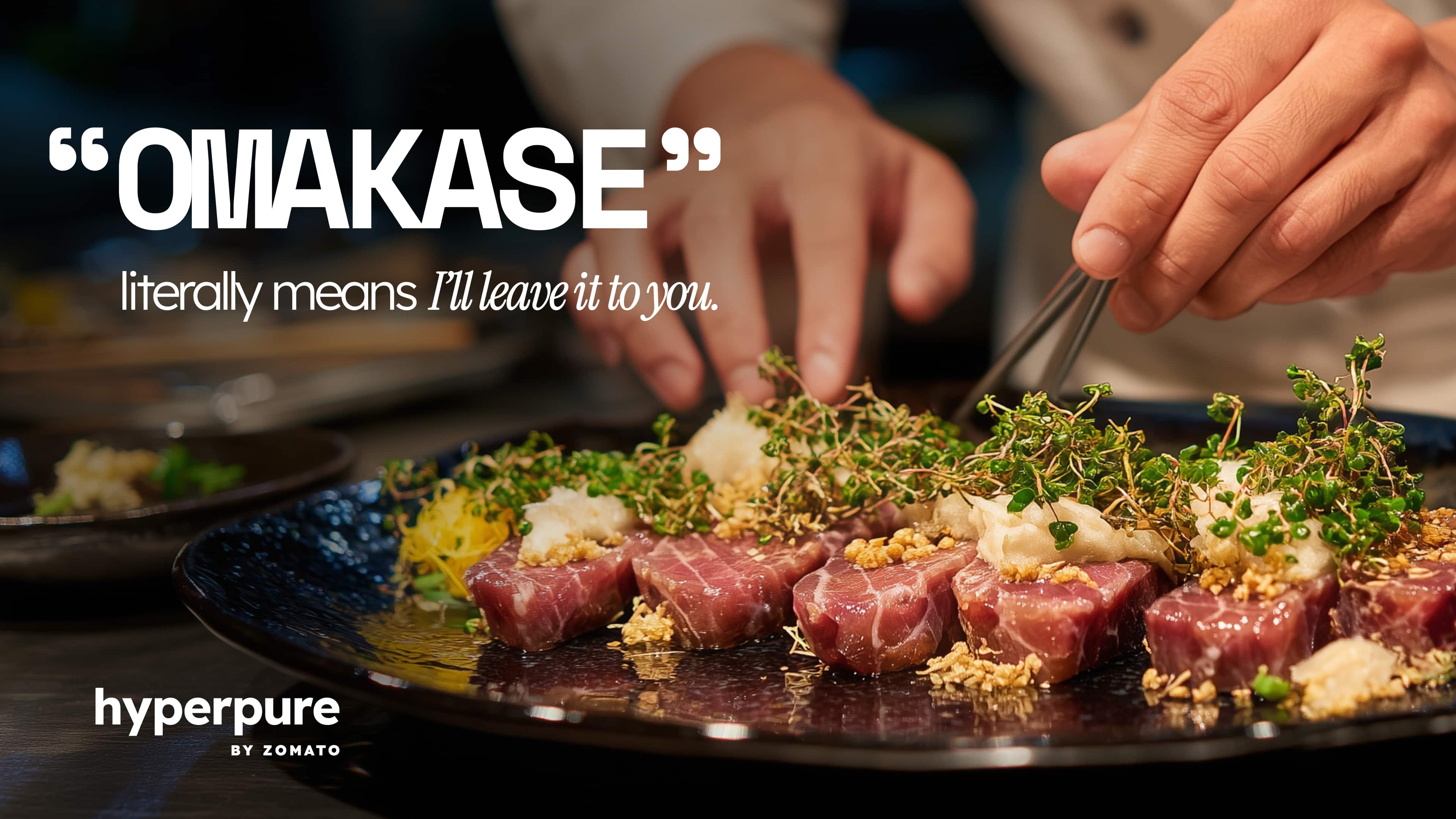
Sometimes customers don't know what's best.
You walk into a high-end restaurant, and instead of navigating a dense, multi-page menu, you make a deliberate choice to opt out of ordering entirely. You hand the reins over to the chef and let them dictate the meal. This is the concept of Omakase dining. And right now, it is one of the fastest-growing (and most expensive) trends in the Indian hospitality scene.
The reality of "I leave it up to you"
In Japanese, Omakase translates to "I leave it up to you." Originally, it was a practical concept in post-war Japanese sushi bars. Regulars who didn't want to overthink their meals simply told the chef to serve whatever was fresh that day.
Today, it has evolved into a highly premium dining format. While the restaurant still has a standard menu, choosing the Omakase option means you surrender control. The chef dictates the ingredients, the sequence, and the pacing. It’s a transaction built on trust, but also heavily on exclusivity. You are paying for the chef's real-time curation as much as the food itself.
Tasting menu vs. Omakase
Restaurants often use "tasting menu" and "Omakase" interchangeably to sound premium, but there is a mechanical difference.
A standard tasting menu is a set, rehearsed list of dishes. A true Omakase is dynamic. The sequence changes based on what the market offers that morning, and a sharp chef will adjust portion sizes or flavours based on how the diner is reacting in real-time. It’s less of a static theatrical performance and more of a customized, highly attentive feed.
Why is this exploding in India?
India’s premium dining sector is shifting. We are moving away from massive, heavy portions toward highly curated experiences. But why is the Omakase format specifically catching on?
First, there is the status element. Omakase counters are small, exclusive, and expensive. Booking one feels like an "event." Second, dining culture has become heavily chef-centric. People no longer just book a table at a famous hotel brand; they want to eat food curated by a specific creator.
This shift has created a clear market for both traditional and new-wave Omakase experiences across the country:
-
Wasabi by Morimoto (Mumbai): Still going strong, this was one of the first to successfully test the high-end, opt-in Japanese counter experience in the Indian luxury hotel space.
-
MEGU (Delhi): An eight-seat Omakase experience delivers a seasonal, personalised take on modern Japanese cuisine.
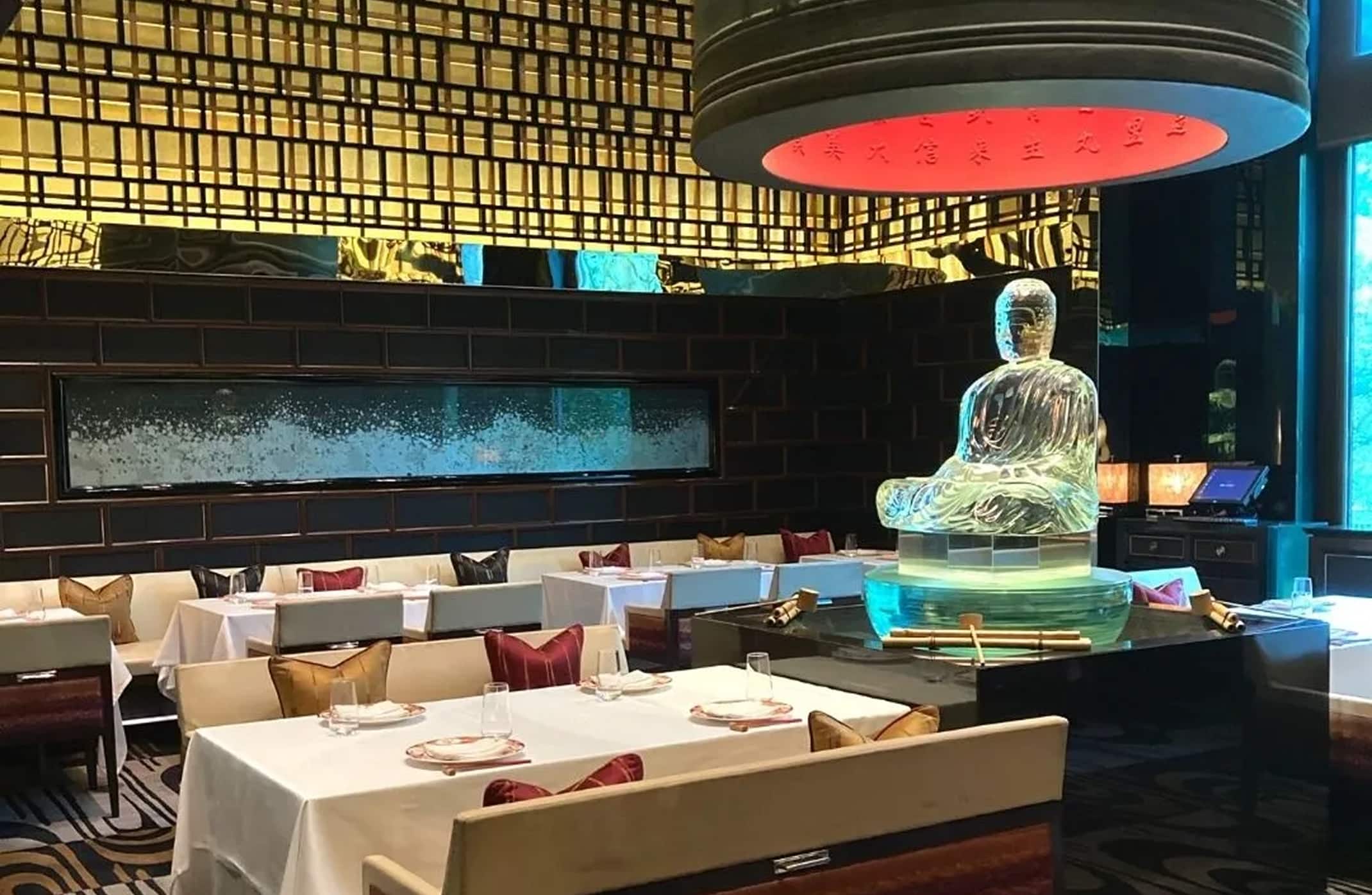 The famous glass statue of Buddha inside MEGU, Delhi (source: MEGU's Instagram page)
-
INJA (Delhi): Pushing the boundaries of the format with a revolutionary Indo-Japanese Omakase menu that blends two distinct culinary worlds into a seamless tasting journey.
-
The Director's Room at PCO (Delhi NCR): The trend has officially jumped from food to nightlife. Hidden within PCO, this 12-seater, reservation-only bar offers a "cocktail Omakase" where you surrender your taste preferences to master mixologists for a bespoke, narrative-driven drinking experience.
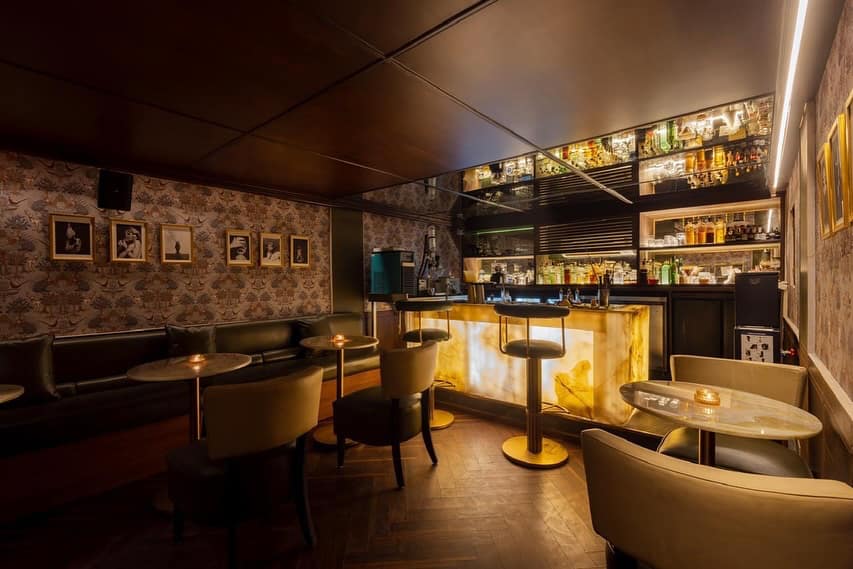 The Director's Room at PCO, Delhi NCR (source: PCO website)
The ultimate canvas and a sign of respect
Beyond just status and convenience, Omakase serves as the ultimate canvas for a chef’s creativity. Because they aren't bound by a static menu, they can experiment with seasonal micro-trends, rare ingredients, or sudden bursts of inspiration that might only be available for a single night.
For the diner, opting for this experience isn't just about being served; it is the highest form of respect. It is a tangible way of telling a culinary professional, "I believe you know better than I do." It elevates the chef from a mere service provider to an artist at work.
The business of decision fatigue
Ultimately, why does a concept that requires you to give up your autonomy work so well today? Mostly, it comes down to decision fatigue.
By the time the weekend arrives, modern professionals are exhausted by making choices. Omakase monetizes relief. You sit down, hand over your credit card, and someone else does the heavy lifting. You don't have to debate what to share, worry about ordering the wrong thing, or stare at a menu trying to pronounce dishes.
It’s an expensive way to dine, but for a growing demographic in India, the luxury of not having to think, and trusting the hands of a master, is absolutely worth the price of admission.
If you’re looking for Japanese, Korean, or other exotic ingredients for your kitchen, look no further than the Hyperpure app Hyperpure app.