
What does it take to build a gourmet burger chain in India? feat. AB Gupta
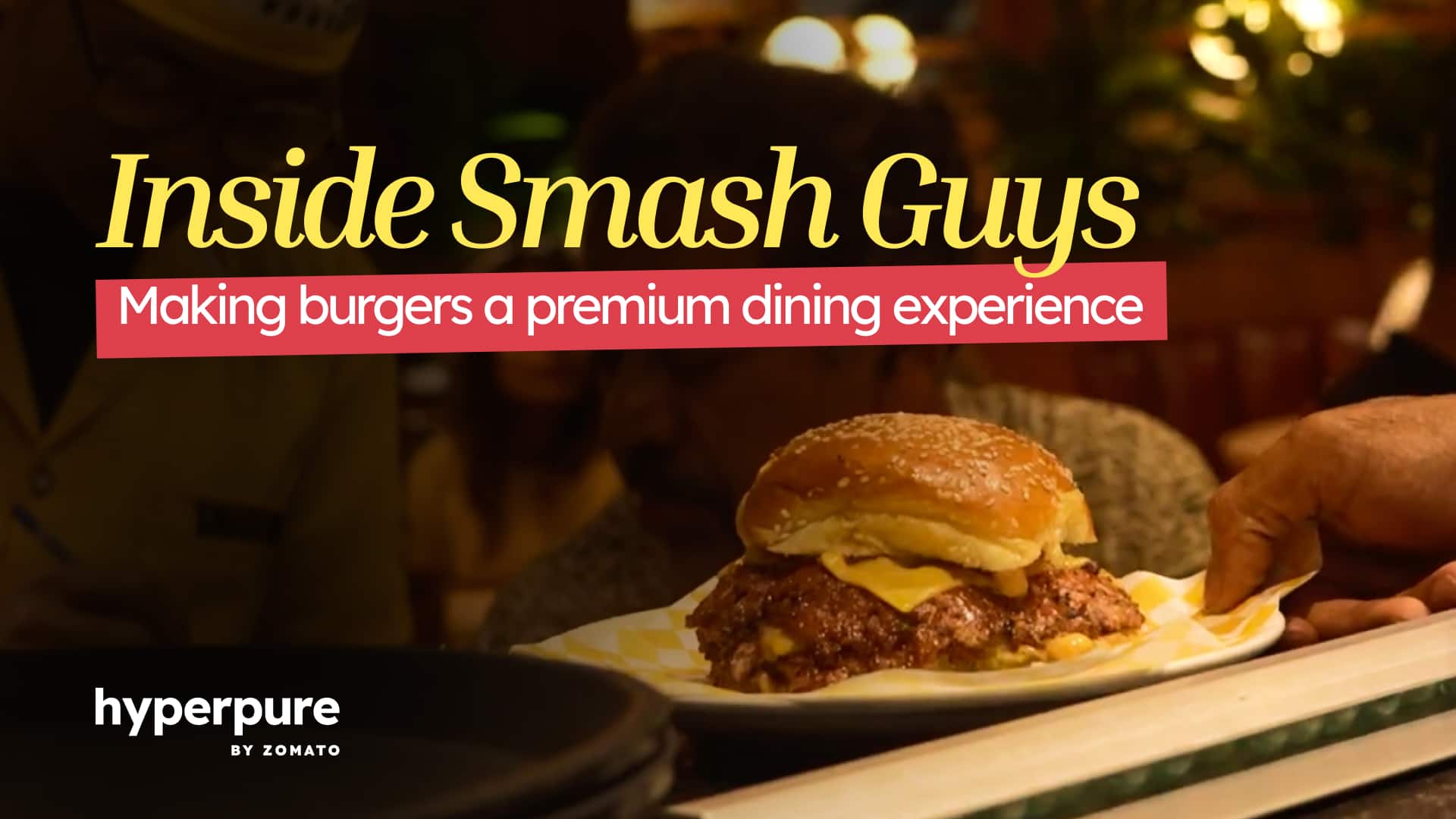
For decades, burgers in India have largely belonged to the fast-food category. They're among the most ordered items on Zomato, something you get delivered after work, pick up on the way home, or eat between errands. Convenience has traditionally mattered more than the burger itself.
That's the perception AB Gupta wanted to challenge.
After launching restaurant brands like The Pizza Bakery and Paris Panini with his brother, AB wasn't looking to open another burger joint. He wanted to create a place people would visit specifically for a burger and be willing to pay a premium for it.
That idea became Smash Guys, a Bengaluru diner centred around the smash burger.
Walk into the restaurant and everything revolves around the grill. The cooking station is fully visible. You hear the patty hit the flat top, the spatula pressing it down, and the steady rhythm of burgers being assembled. Watching the cooking is part of the experience.
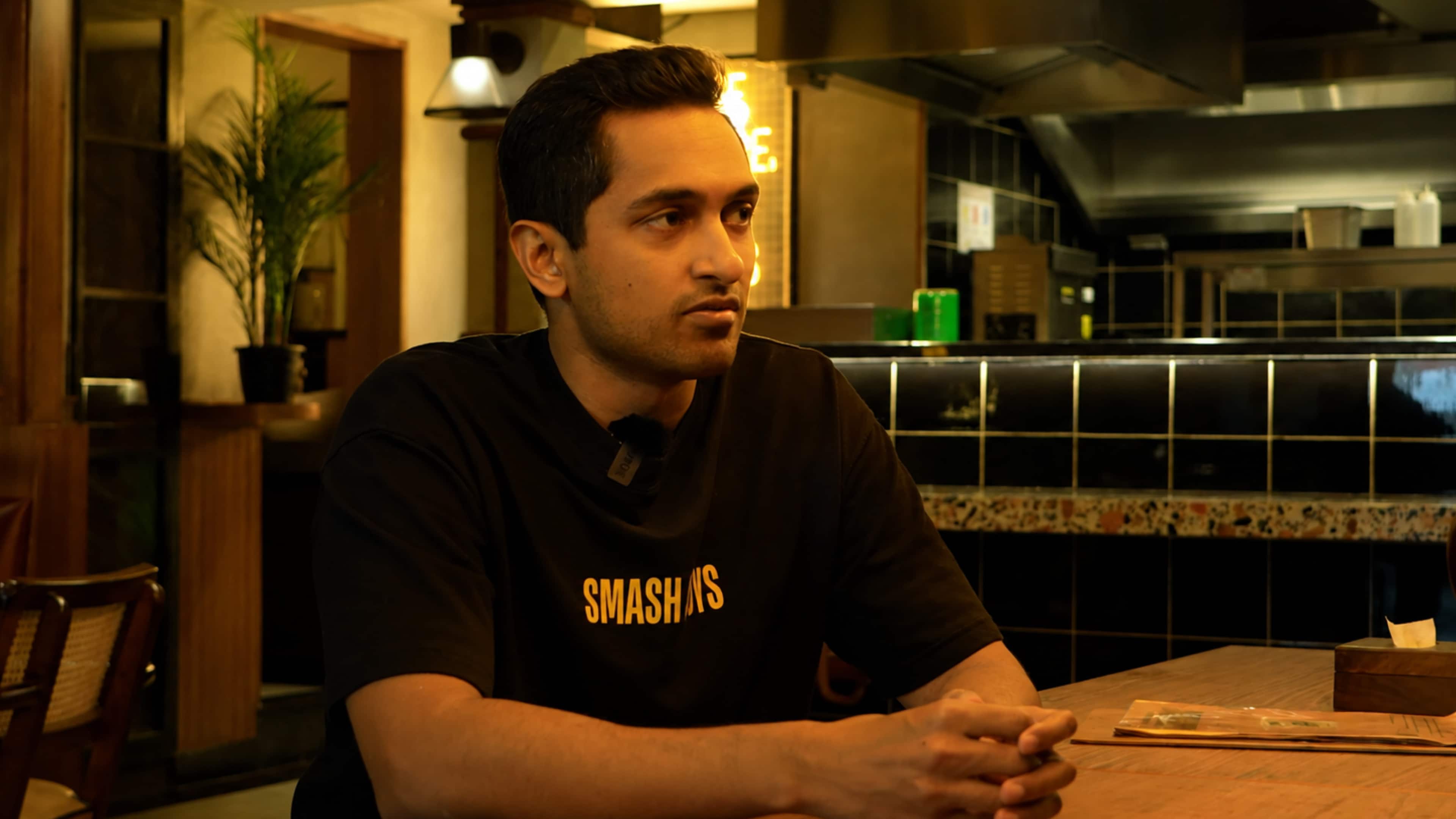 (AB Gupta, Co-founder of Smash Guys)
What's a smash burger?
Although smash burgers have become popular worldwide over the past decade, the technique itself is much older. It emerged in American diners during the early 20th century, where cooks pressed loosely packed balls of beef onto hot griddles to cook them quickly during busy service.
The technique created thin patties with crisp, caramelised edges. This crust comes from the Maillard reaction, a chemical reaction in which proteins and sugars brown under high heat, creating the deep savoury flavour and colour associated with well-seared meat. It eventually became the defining characteristic of what is now known as the smash burger.
That's the texture AB spent more than a year trying to perfect before opening his first outlet.
He travelled through London and Dubai eating burgers and sought out smaller operators in India experimenting with the format. The objective wasn't to recreate what worked abroad.
"I wasn't trying to copy anyone," he says. "I wanted to understand what would make someone in Bengaluru come back for a second burger. You have to think about how people here actually eat. Otherwise the idea might look good on paper but won't work in practice."
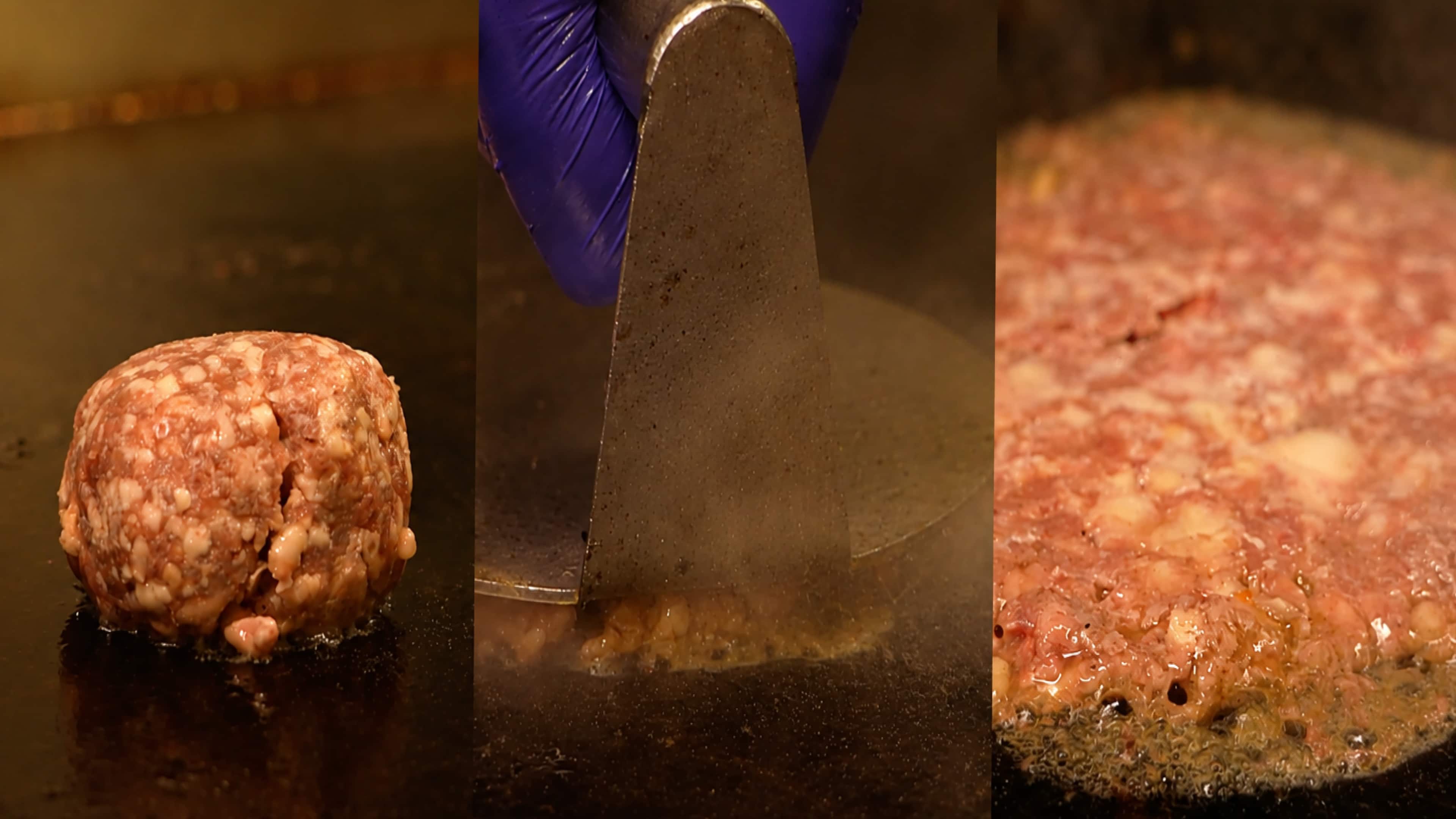 (A burger patty getting smashed)
Adapting the smash burger for India
Perfecting the sear wasn't the hardest part.
The meat was.
A classic smash burger is usually made with beef. But because beef isn't widely consumed or legally available across much of India, AB knew it couldn't be the foundation of a national burger brand. The team instead developed two alternatives: a lamb smash burger for wider appeal and a buffalo version that came closest to the flavour and texture of a classic beef smash burger while remaining legally permitted.
That proved harder than expected.
Lamb behaves differently on a hot flat top. The fat content, grind and seasoning all had to be adjusted until the burger developed the same caramelised crust without losing its juiciness.
The final blends remain some of the restaurant's closest guarded secrets. "That stays in the kitchen," AB says.
Before opening, the team tested recipes through pop-ups and a delivery-only kitchen to understand how customers responded.
Not every experiment worked.
One burger included cold cuts inside the patty, a style seen abroad. Many customers assumed it hadn't been cooked properly and sent it back.
The item was removed from the menu.
For AB, it reinforced an important lesson: succeeding in India wasn't just about importing techniques. It was about understanding how Indian diners interpreted what landed on their plate.
Building a dine-in destination
The restaurant is designed around the grill so customers can watch every burger being smashed and assembled. The interiors borrow from the look of a classic American diner, but the thinking behind them is simple.
If burgers in India have become a delivery-first category, the restaurant needs to offer something an app can't: the sights, sounds and smell of the grill.
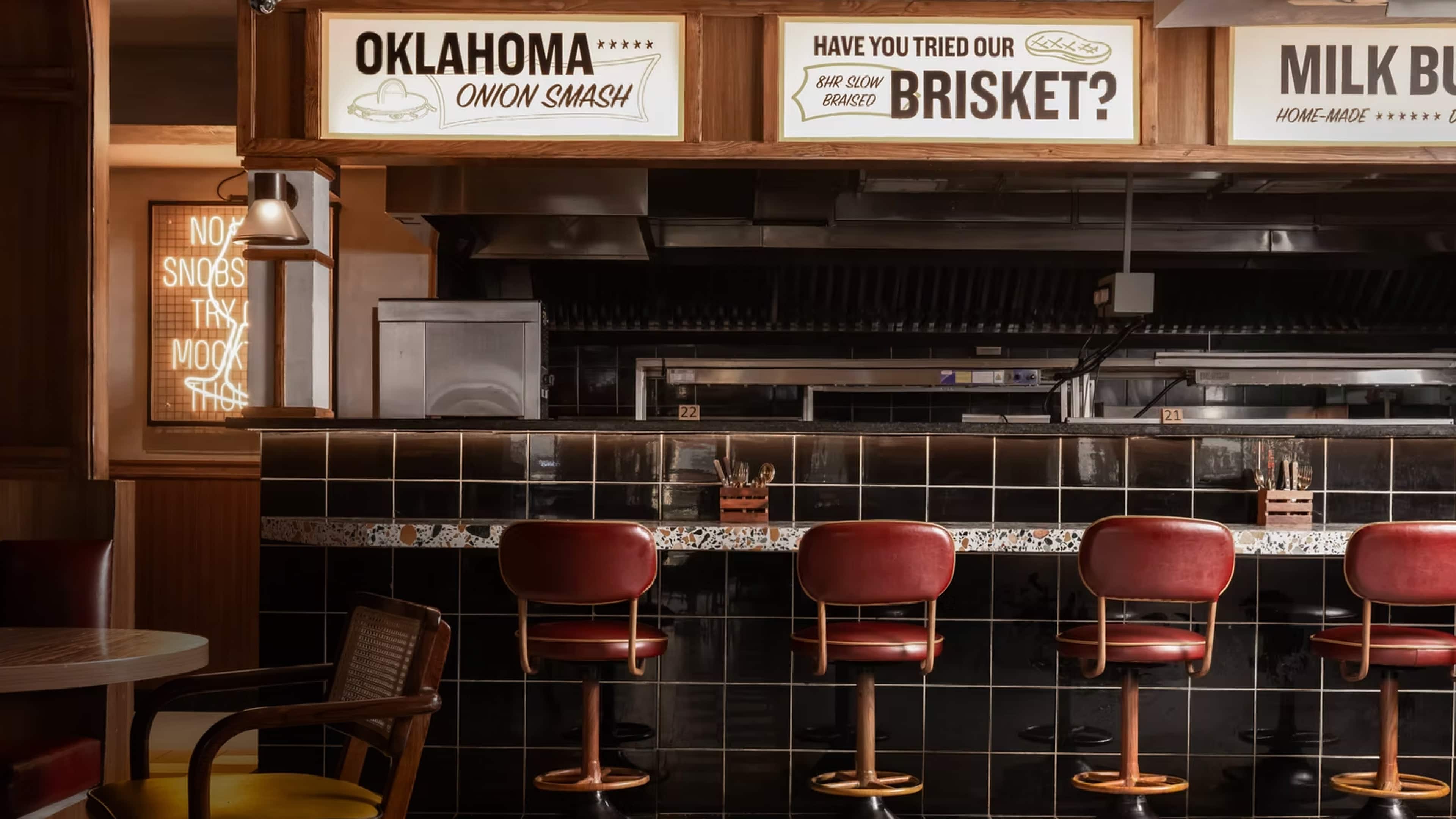 (The open kitchen and dining area at Smash Guys. Source: Smash Guys’ website)
Looking ahead
Weekend demand has consistently exceeded the team's projections.
"It's one of those things you only realise after you start," AB says. "Sometimes the market is much larger than what you imagine in the beginning."
Smash Guys is currently focused on Bengaluru, with plans to add more outlets across the city over the next few years.
Building in public
Alongside building Smash Guys, AB has also built an audience. Across YouTube and Instagram, he documents everything from site selection and construction to menu development and day-to-day operations, offering an unfiltered look at what it takes to build a restaurant. His surprise inspection videos, where he anonymously visits his own outlets to check food quality and service, have become some of his most widely watched content.
For AB, documenting the business is as important as building it.
"Show the real, messy, human side of building an F&B business in India. Show the wins, losses, doubts and vulnerabilities and hopefully inspire others to share their own journeys."
That's the point of building in public.
"This is what a young, aspiring entrepreneur learns from. I wish I had seen the unfiltered reality behind my business heroes when I was growing up. I didn't, so I'm trying to change that now."
Thinking of starting or scaling a burger business?
Hyperpure can help you source fresh meat, cheese, vegetables, burger buns and ready-to-cook burger patties, making it easier to run a consistent burger operation at scale.
📺 Watch the full conversation with AB, here.